World · India Bureau
Arbi holds special place in Radhastami feast traditions across Braj region
Taro root preparations feature prominently in Radhastami devotional offerings across the Braj region, with local traditions linking specific arbi dishes to the preferences of Radha. The sattvic vegetable, prepared in various forms, occupies a significant place in festive bhog platters dedicated to the beloved deity.
LSN India ·
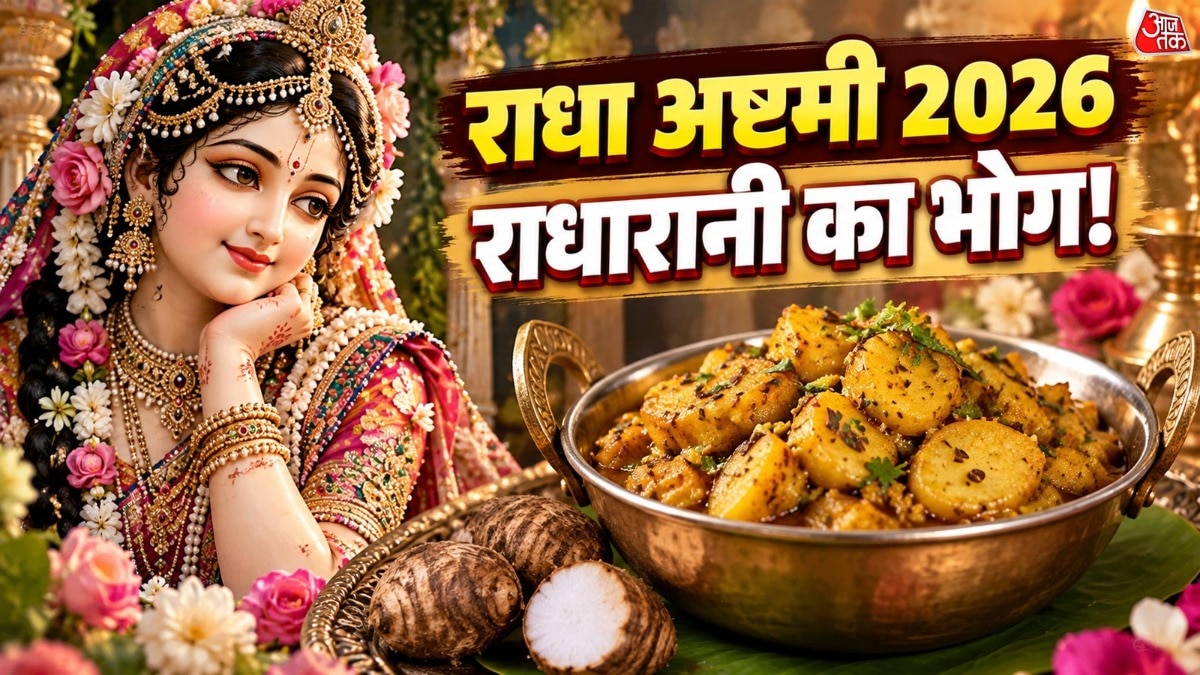
Radhastami celebrations across the Braj region maintain a distinctive culinary tradition centered on arbi, or taro root, as a key ingredient in devotional offerings. According to local religious practices and community customs in the sacred Braj area, arbi-based preparations hold particular spiritual significance in festive bhog—the sanctified food offering made to the divine.
Traditional preparations of arbi for Radhastami bhog include dried vegetable curries, lightly spiced arbi dishes, and other regional recipes passed down through generations of devotees. These sattvic, or pure, preparations are believed to align with the preferences of Radha, the principal consort deity in Krishna worship traditions.
The inclusion of arbi in Radhastami feast arrangements reflects broader Braj region customs that interweave local agricultural produce with religious observance. Community practitioners maintain that arranging the bhog platter with these arbi preparations represents a meaningful connection to regional devotional heritage and worship practices.
Local temples and households across the Braj region continue to incorporate these traditional arbi dishes into their Radhastami celebrations, sustaining culinary customs that have formed an integral part of the region's religious calendar for centuries.