Business · India Bureau
Archaeologists uncover 500 Iron Age iron bars in Austrian Danube
A remarkable discovery in Austria's Danube River has revealed over 500 forged iron bars dating back 2,000 years, representing Europe's largest known Iron Age iron assemblage. The find offers fresh insights into the scale of ancient iron production and trade networks across the continent.
LSN India ·
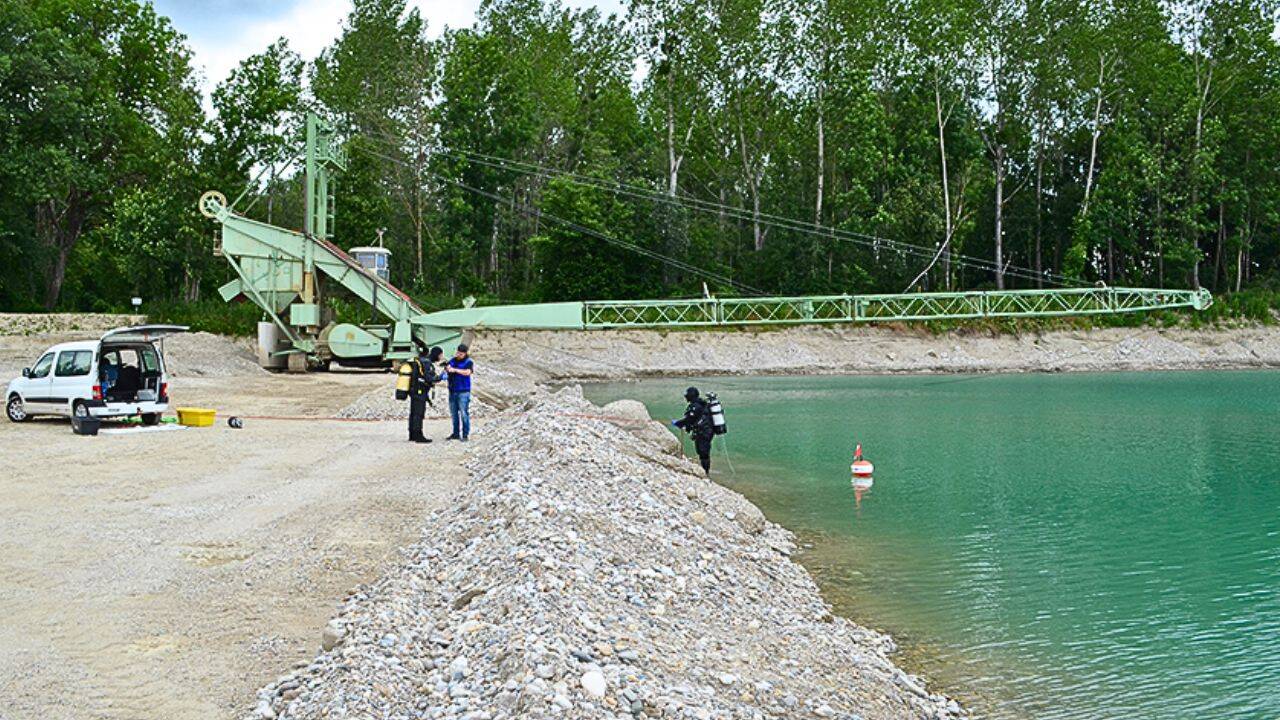
Archaeologists working along the Danube River in Austria have recovered more than 500 iron bars, marking the largest concentration of Iron Age iron artifacts ever discovered in Europe. The cache, which together would have weighed approximately one tonne, is believed to represent cargo lost during river transport in antiquity.
Radiocarbon dating has placed the iron bars within the Late Iron Age period, spanning the 4th to 1st centuries BC. The discovery suggests these bars were deliberately cast into standard shapes for trade purposes, indicating a sophisticated system of commerce operating across central Europe during this era.
The location along the Danube River, a major commercial artery in the ancient world, lends credence to the theory that the assemblage was lost during transit. The bars' uniform design and large quantity point to organized production and distribution networks that supplied iron across vast distances.
Experts view the find as significant evidence of the scale and complexity of Iron Age metallurgy and trade. The discovery underscores how river systems facilitated economic exchange across Europe centuries before the Roman imperial period, offering valuable clues about early European commerce and industrial capacity.