Politics · India Bureau
Archaeologists unearth 2,800-year-old bone flute at ancient Troy
In a significant discovery after 160 years of excavations, archaeologists have unearthed a bone flute dating back approximately 2,800 years at the ancient site of Troy in Turkey. The find, along with a humanoid idol from the Early Bronze Age, provides fresh insights into the region's cultural heritage during the era immortalised by Homer's legendary works.
LSN India ·
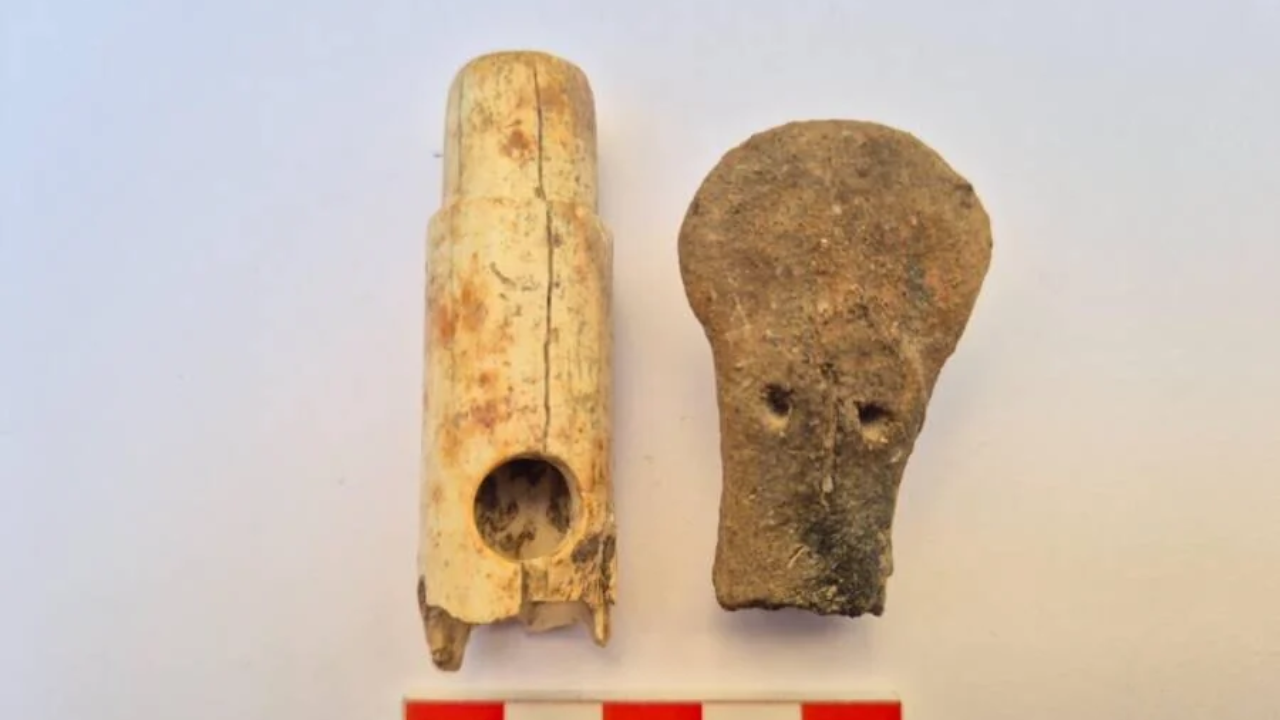
Turkish authorities announced the archaeological breakthrough at Troy, one of the world's most historically significant sites located in northwestern Anatolia. The bone flute represents the first such discovery in over a century and a half of continuous excavation work at the ancient settlement.
The artefact dates to approximately 2,800 years ago, placing it within the period documented in the Homeric epics. Alongside the flute, researchers uncovered a humanoid idol from the Early Bronze Age, offering researchers valuable evidence about the social and cultural practices of Troy's ancient inhabitants.
Turkish Minister of Culture and Tourism Mehmet Nuri Ersoy confirmed the findings, underscoring their importance for understanding the region's archaeological record. The discoveries are expected to inform ongoing scholarly debate about daily life and artistic traditions in Bronze Age Anatolia.
Troy, a UNESCO World Heritage Site, has been the subject of systematic archaeological investigation since the 19th century. The site has yielded numerous artefacts that have helped scholars reconstruct the history of one of antiquity's most celebrated cities, immortalised in Homer's accounts of the Trojan War.