Business · India Bureau
Archaeologists unearth remains of wall razed by Glasgow residents two centuries ago
Archaeological excavations in Glasgow have revealed remnants of a 12-foot barrier erected by a wealthy distiller in the 1820s to restrict public access to the River Clyde. The discovery sheds light on a landmark act of civic defiance when residents demolished the structure in 1823, sparking arrests and prolonged legal proceedings.
LSN India ·
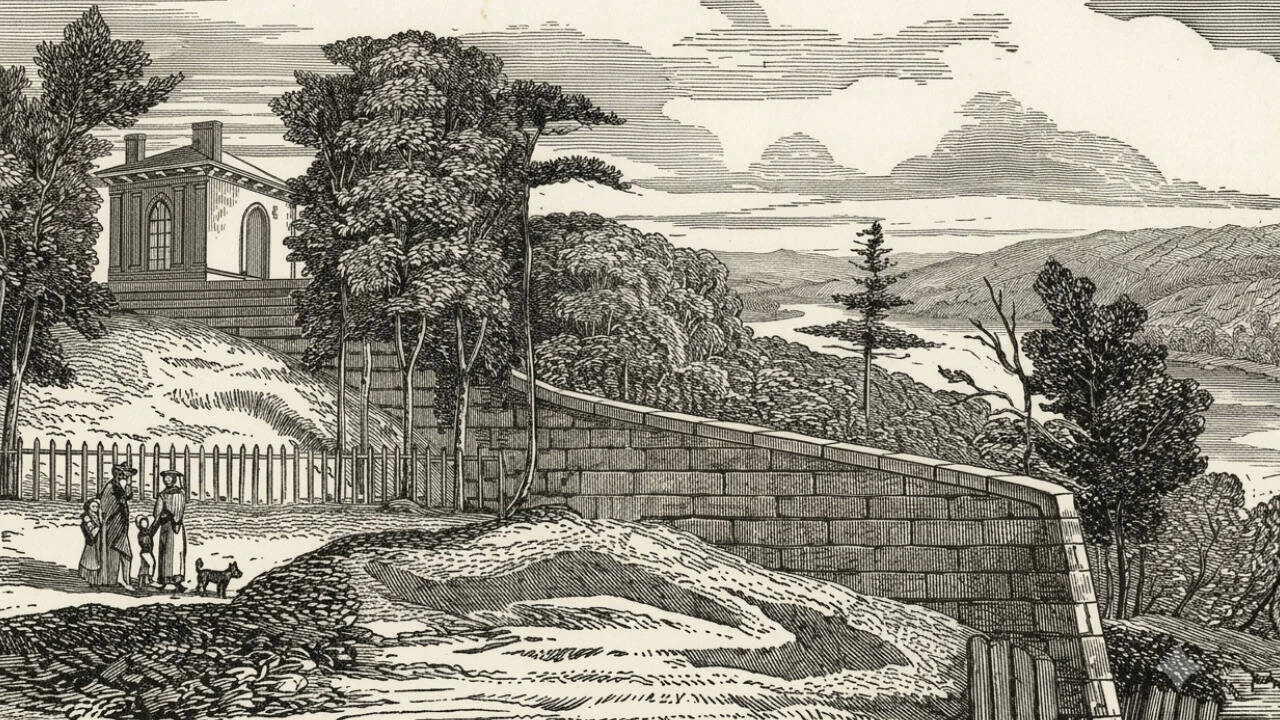
Researchers conducting excavations in the Scottish city have uncovered physical evidence of the contentious wall, which was constructed by an affluent distiller seeking to monopolize riverside access during the early 19th century. The barrier became a flashpoint for public anger over restrictions to communal waterfront areas, prompting residents to take direct action against what they viewed as an infringement on traditional rights.
The 1823 demolition of the wall by Glasgow residents resulted in multiple arrests and triggered a six-year legal dispute that reflected broader tensions between private property interests and public access rights during the period. The episode represents a significant moment in the city's social history, highlighting community resistance to enclosure movements affecting shared resources.
Beyond the wall's remains, the archaeological dig yielded additional artifacts of historical value. Among the finds was a rare trade token dated 1791, featuring Glasgow's historic motto "Let Glasgow Flourish." Such tokens, commonly used as currency substitutes by merchants and traders, provide valuable insights into commercial practices and civic identity during the late 18th century.
The excavation contributes to scholarly understanding of Glasgow's urban development and social dynamics during a transformative period of industrial expansion. The discoveries underscore how archaeological work can illuminate historical episodes that shaped community consciousness and municipal governance in Scotland's largest city.