World · India Bureau
Architect's Recycled-Material Homes Reshape Sustainable Building Paradigm
Pioneered in the 1970s by New Mexico-based designer Michael Reynolds, Earthships represent a revolutionary approach to construction using repurposed materials. The innovative housing model combines waste reduction with climate resilience, offering self-sufficient living solutions increasingly relevant across South Asia.
LSN India ·
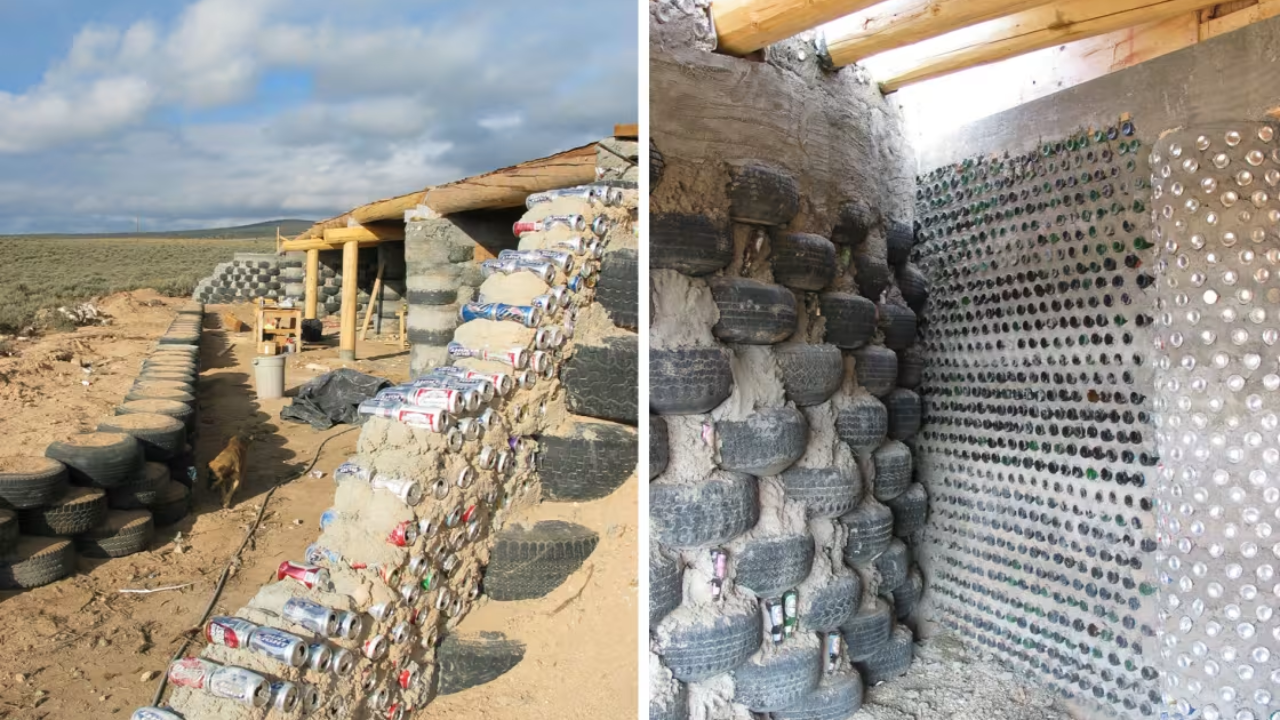
The Earthship concept emerged as a radical departure from conventional construction methods, utilizing discarded tyres, recycled cans, and other waste materials as primary building components. Reynolds developed these structures to withstand extreme weather conditions while minimizing reliance on external infrastructure and conventional utilities. The design philosophy addresses two critical challenges simultaneously: managing industrial waste streams and creating housing resilient to environmental extremes and infrastructure failures.
These dwellings operate on principles of self-sufficiency through integrated natural systems. Earthships harness passive solar design for temperature regulation, incorporate water harvesting and recycling mechanisms, and generate electricity through renewable sources. The thick walls constructed from tyres provide exceptional thermal mass, maintaining stable internal temperatures regardless of external weather fluctuations. This design proves particularly valuable in regions prone to power outages, water scarcity, or extreme climate events.
The construction methodology transforms waste materials into structural assets, converting environmental liabilities into building resources. Earthships demonstrate that robust, comfortable housing need not depend on continuous supply chains or energy grids. As severe weather events and infrastructure vulnerabilities increase globally, the model offers practical lessons for disaster-resilient construction.
The Earthship approach has catalyzed broader momentum toward sustainable building practices, influencing architects and builders worldwide. The model presents particular relevance for South Asian contexts, where rapid urbanization, climate volatility, and infrastructure constraints challenge conventional housing development. Off-grid living concepts embedded in Earthship design increasingly inform contemporary sustainable architecture, positioning waste-based construction as both an environmental and practical solution for future housing needs.