Culture & Entertainment · World News Bureau
Arctic Frontier: Sámi Communities Grapple with Russia-Norway Border Divide
The escalating geopolitical tensions between Russia and Western nations are fracturing centuries-old cross-border traditions among indigenous Sámi communities in the Arctic. As security measures intensify along the Norway-Russia frontier, indigenous herders and cultural practitioners face unprecedented restrictions on their ancestral migration routes.
LSN World News ·
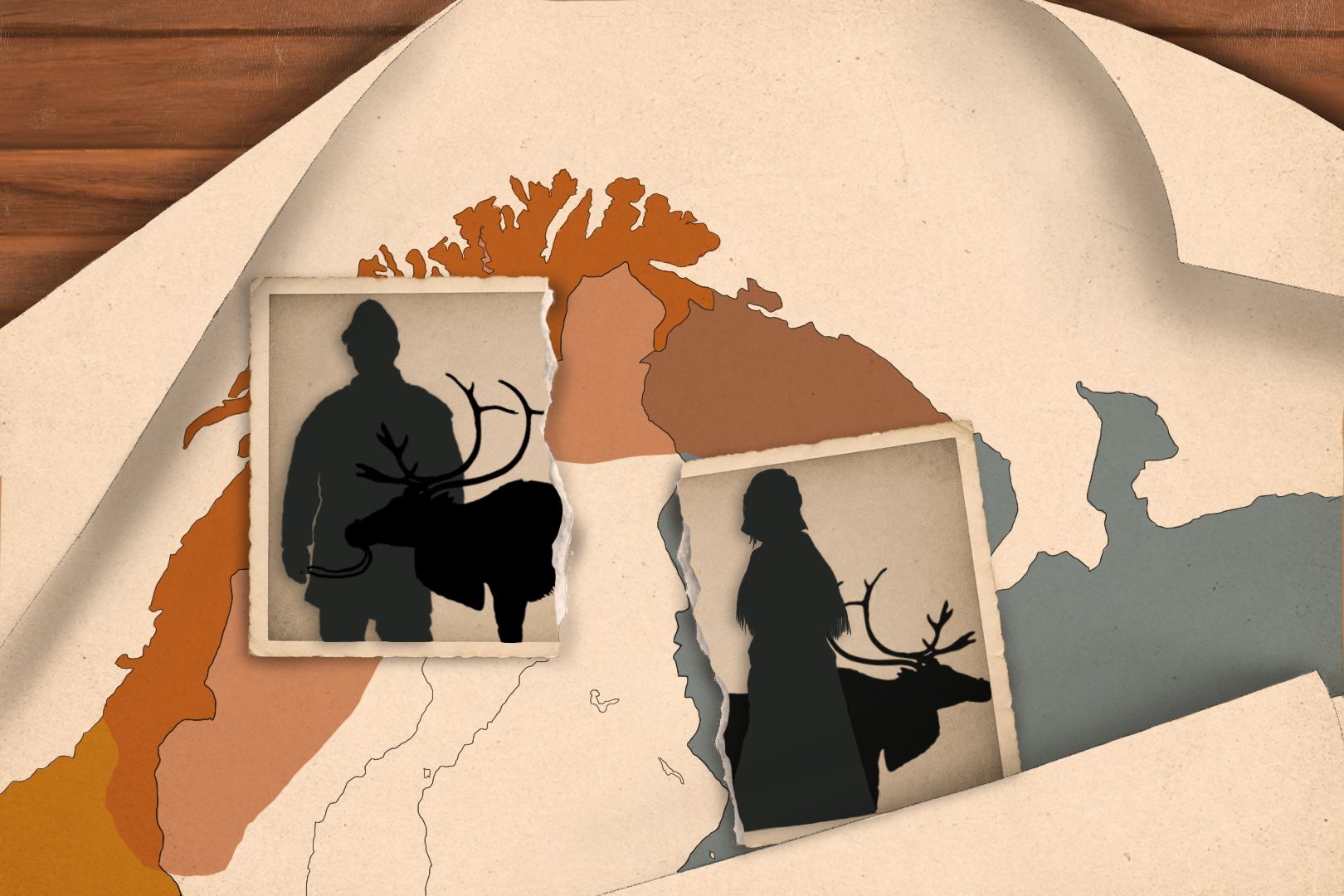
The Sámi people, who have inhabited the Arctic regions spanning Norway, Sweden, Finland, and Russia for millennia, are confronting mounting challenges to their traditional way of life as geopolitical tensions reshape the northernmost European border. Long-standing practices of seasonal reindeer herding and cultural exchanges that transcended national boundaries are increasingly constrained by heightened border security protocols and travel restrictions implemented since Russia's invasion of Ukraine.
Communities on both sides of the Norway-Russia demarcation line have historically maintained fluid cross-border movements essential to their pastoral and cultural survival. The reindeer herding cycle, which follows centuries-old patterns across the Arctic landscape, now faces significant disruption as authorities enforce stricter immigration and security measures. Indigenous Sámi groups report complications in accessing traditional grazing lands, participating in cultural gatherings, and maintaining family connections that span the frontier.
The situation reflects broader challenges facing indigenous communities caught between escalating international tensions. Sámi representatives have appealed for recognition of their unique status as a transnational people whose traditions predate modern nation-states. However, balancing indigenous rights with contemporary security concerns remains a complex diplomatic issue for Norwegian and Russian authorities.
As the geopolitical climate remains volatile, Sámi leaders emphasize the urgency of finding solutions that preserve their cultural heritage while respecting legitimate security interests. The outcome will likely determine whether indigenous Arctic communities can sustain their distinct way of life in an era of increasing international division.