World · India Bureau
Arctic ice expanded for millennium before reversing course in 1960s
A new study reveals that Arctic ice caps experienced nearly 2,000 years of expansion before reaching peak extent around 1960, driven by cooler summer temperatures. Rising greenhouse gas emissions have since triggered dramatic ice retreat, disrupting natural climate cycles that previously favored glacial growth.
LSN India ·
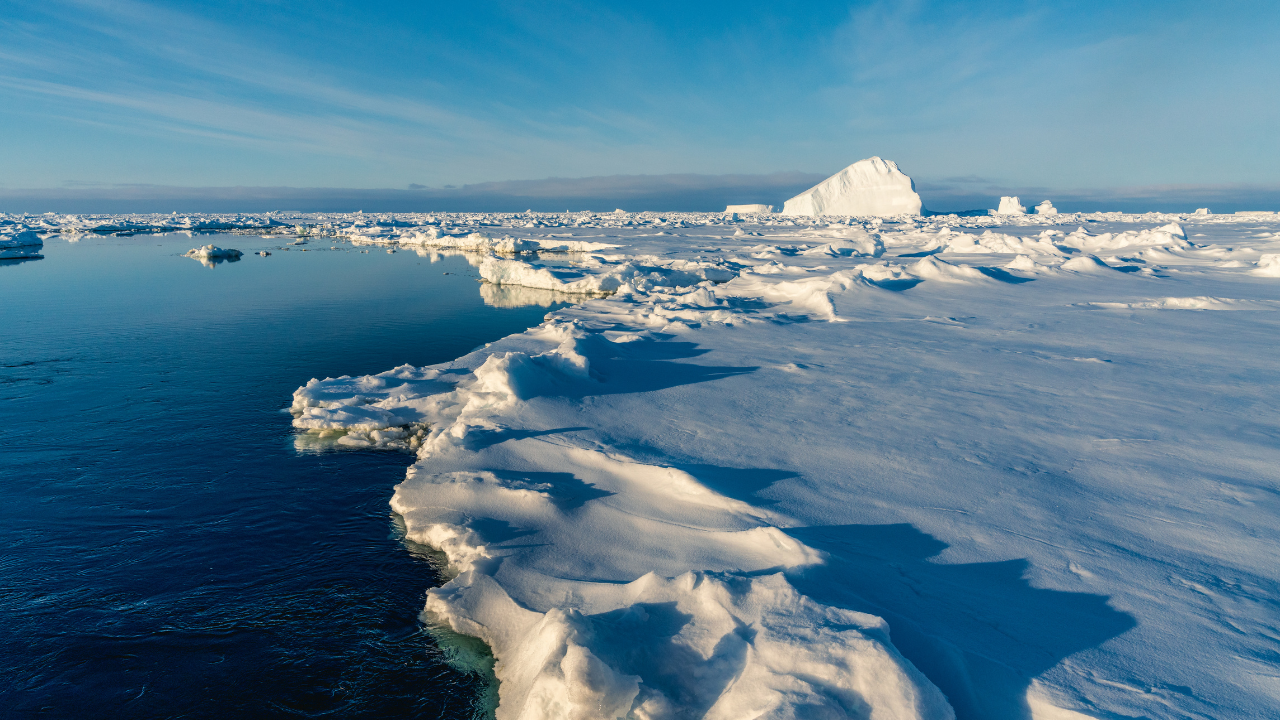
Research into the Barnes Ice Cap indicates a prolonged period of glacial expansion spanning approximately two millennia, with ice reaching its maximum extent in the mid-20th century. Scientists attribute this extended growth phase to sustained cooler summer conditions across the Arctic region, which created favorable conditions for ice accumulation and prevented significant melting cycles.
The data marks a significant shift in understanding Arctic climate patterns. For roughly 1,000 years before 1960, the ice cap continued its expansion despite natural climate variations, suggesting a strong cooling influence maintained through this extended period.
However, the trend reversed sharply following the 1960s as greenhouse gas emissions accelerated atmospheric warming. Researchers note that anthropogenic climate change has disrupted the natural cooling pattern that previously allowed Arctic ice to flourish, triggering substantial ice retreat in subsequent decades.
The findings highlight how human-induced warming has fundamentally altered established climate cycles across polar regions. Scientists emphasize that the reversal from expansion to rapid retreat represents a stark departure from the natural climate variability that characterized the preceding two millennia, underscoring the transformative impact of modern emissions on Arctic systems.