Business · World News Bureau
Arctic Shipping Routes Gain Attention Amid Middle East Tensions
Geopolitical instability in the Middle East is prompting maritime operators and policymakers to reassess alternative shipping corridors, with warming Arctic passages emerging as a potential option to traditional waterways.
LSN World News ·
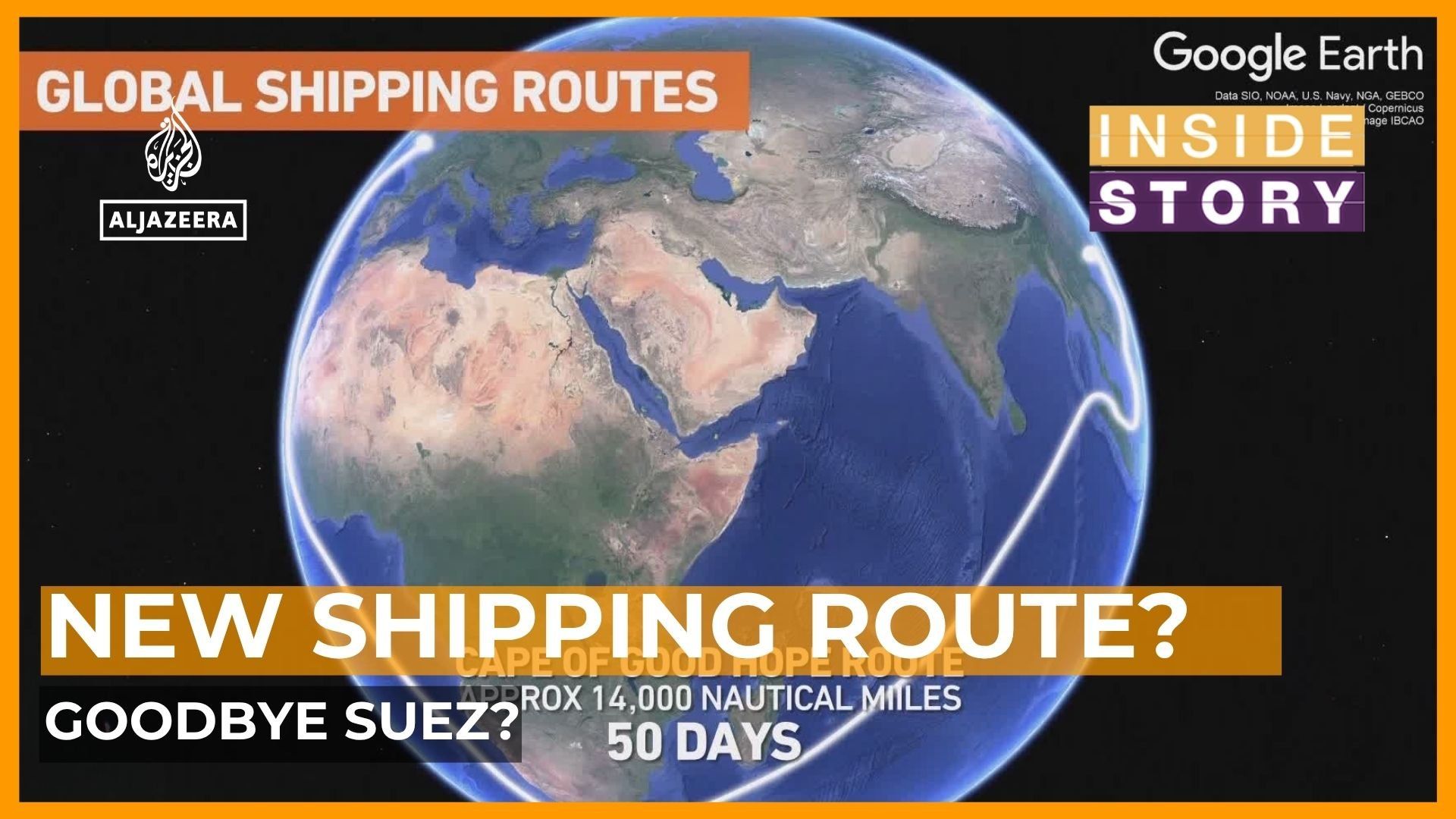
Escalating security concerns along conventional maritime routes in the Middle East are refocusing global attention on the Arctic as a viable commercial shipping alternative. Climate change has progressively opened sea passages through the Arctic, reducing ice coverage and creating new possibilities for international trade routes that bypass traditional chokepoints in the Suez Canal and Strait of Hormuz.
The viability of Arctic shipping routes has long been constrained by environmental conditions, ice coverage, and limited infrastructure. However, rising Arctic temperatures have rendered northern passages increasingly navigable during summer months, with some routes now experiencing regular commercial traffic. Shipping companies have begun calculating potential savings in time and distance through these emerging corridors.
Governmental and commercial stakeholders are weighing the practical and strategic implications of developing Arctic infrastructure. Key considerations include port facilities, ice-capable vessel requirements, and operational challenges in remote regions with limited rescue and support services. The geopolitical dimensions are equally significant, as Arctic nations position themselves to benefit from and regulate expanded commercial activity in polar waters.
Industry observers note that Arctic routes remain seasonally dependent and subject to unpredictable conditions, limiting their immediate viability as primary shipping arteries. Nevertheless, growing Middle East instability has catalyzed increased investment in understanding Arctic logistics, with shipping companies and governments exploring the long-term feasibility of diversified trade routes. The transition toward Arctic commerce reflects broader patterns of supply chain reconfiguration driven by both climate change and international security dynamics.