World · India Bureau
Army Chief's Office Evolves: From Chetwode to Field Marshal's Legacy
The office of India's Army Chief has undergone significant transformations over the decades, reflecting each leader's personal imprint and vision. Senior officials note that successive Army chiefs have shaped the institutional space according to their individual preferences and priorities.
LSN India ·
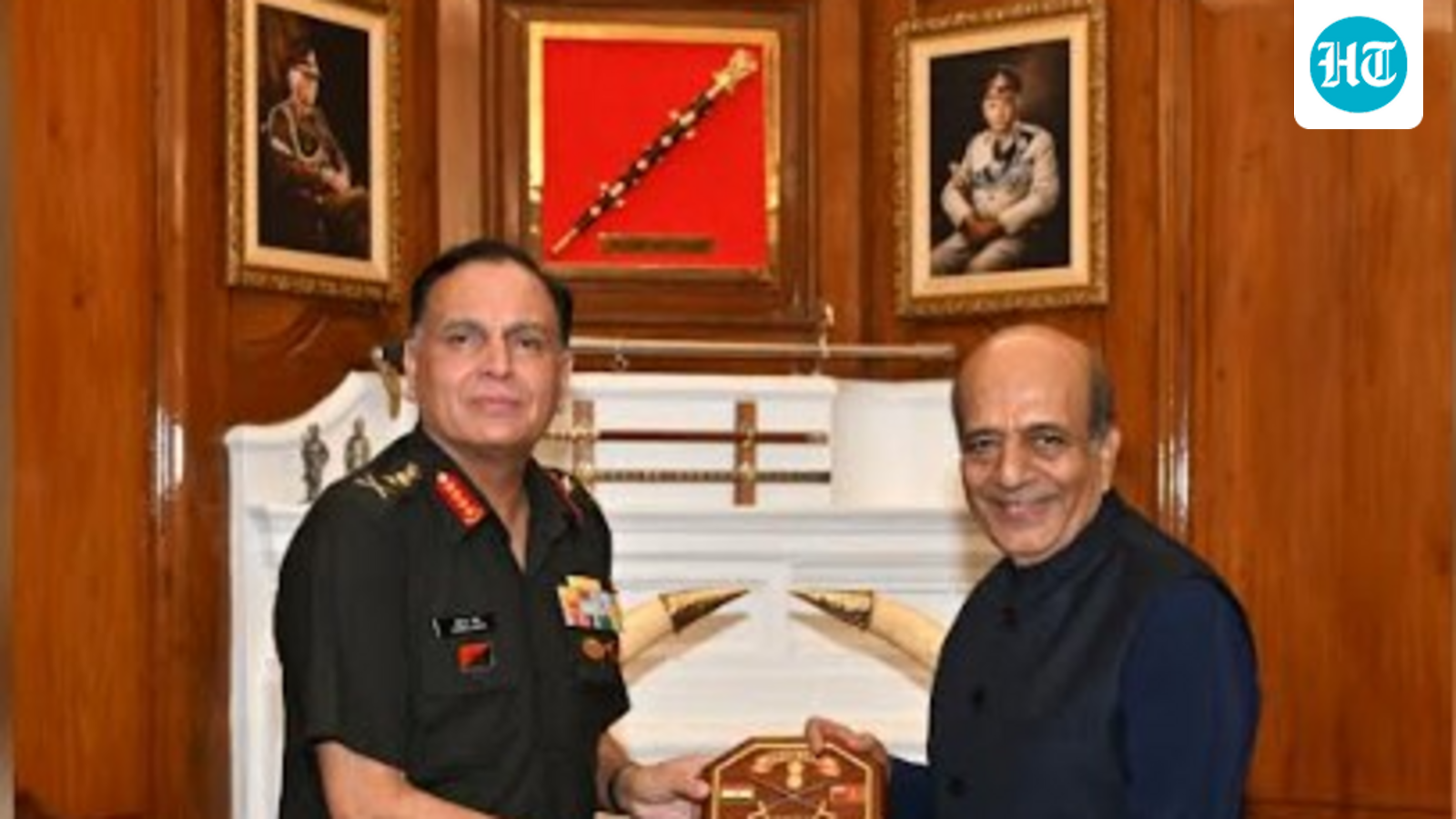
The office of the Chief of Army Staff has witnessed notable changes in its physical and operational character across different tenures, serving as a mirror to each leader's approach to command and institutional management. These transformations span from the era of Field Marshal Chetwode through subsequent decades to more contemporary periods, demonstrating how the apex military office adapts to reflect evolving institutional needs and leadership philosophies.
Personnelization of the office space remains a longstanding practice within military hierarchy, with each Army chief exercising discretion in configuring their workspace and administrative setup. According to people familiar with these matters, such modifications represent far more than aesthetic choices—they often signal shifts in operational priorities, communication styles, and administrative efficiency.
The evolution of the Army Chief's office extends beyond physical décor to encompass changes in organizational structure, protocol, and the nature of daily operations. Different commanders have introduced varying approaches to managing their time, conducting meetings, and interfacing with subordinate commands and government counterparts. These adjustments reflect individual leadership temperaments and responses to the security challenges prevailing during their respective terms.
Institutional historians note that studying these changes provides insight into how India's military leadership has adapted to shifting geopolitical contexts and emerging security paradigms. The office itself has become a repository of institutional memory, with each successor building upon or reimagining the legacy of their predecessors while maintaining the fundamental authority and dignity associated with the position.