World · Singapore Bureau
Around-the-world cruise ship detained in Singapore port
The Odyssey, a vessel designed for continuous global voyages, has been arrested in Singapore following its arrival from Cambodia. The seizure raises questions about what happens to detained ships and their passengers.
LSN Singapore ·
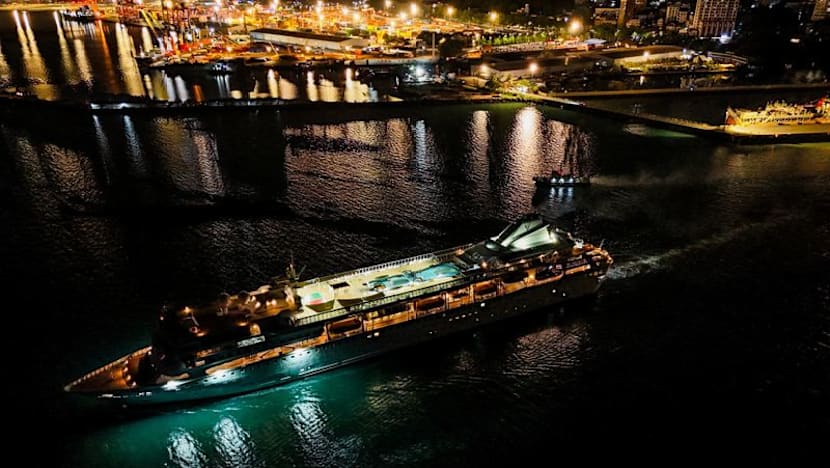
The cruise ship Odyssey was detained at a Singapore port after arriving from Cambodia on Sunday, marking a significant development for the vessel marketed as offering a permanent 'cruise for life' experience. The arrest, a maritime legal action used to secure claims against ships, typically occurs when vessel operators face financial disputes or regulatory violations.
When a ship is arrested, port authorities enforce restrictions preventing it from leaving until underlying disputes are resolved. This can involve unpaid debts, wage claims from crew members, or contractual breaches. The detaining authority, usually acting on behalf of claimants, maintains control until compensation is provided or legal proceedings conclude.
For passengers aboard detained vessels, the situation presents significant complications. Those with bookings face uncertainty regarding voyage continuity, while existing passengers may be required to disembark. Cruise operators typically arrange alternative transportation or seek court orders to resume operations, though outcomes depend on the severity of claims against the vessel.
The arrest process involves filing claims with the port state's maritime authority, which then places the vessel under administrative hold. The ship remains immobilized until stakeholders—including creditors, crew, or port authorities—reach settlements or courts issue release orders. Such situations often trigger investigations into operator finances and regulatory compliance.
The Odyssey incident underscores vulnerabilities in the cruise industry, particularly for unconventional business models promising extended voyages. Regulatory bodies across Southeast Asia continue monitoring the situation as legal proceedings unfold.