World · India Bureau
Arpita Singh: Pioneer of Contemporary Indian Art Movement
Artist Arpita Singh emerged as a defining figure in India's contemporary art scene, representing a transformative generation that redefined visual expression in the late 20th century. Her work signaled a significant departure from traditional approaches, establishing new aesthetic and conceptual frameworks for Indian artists.
LSN India ·
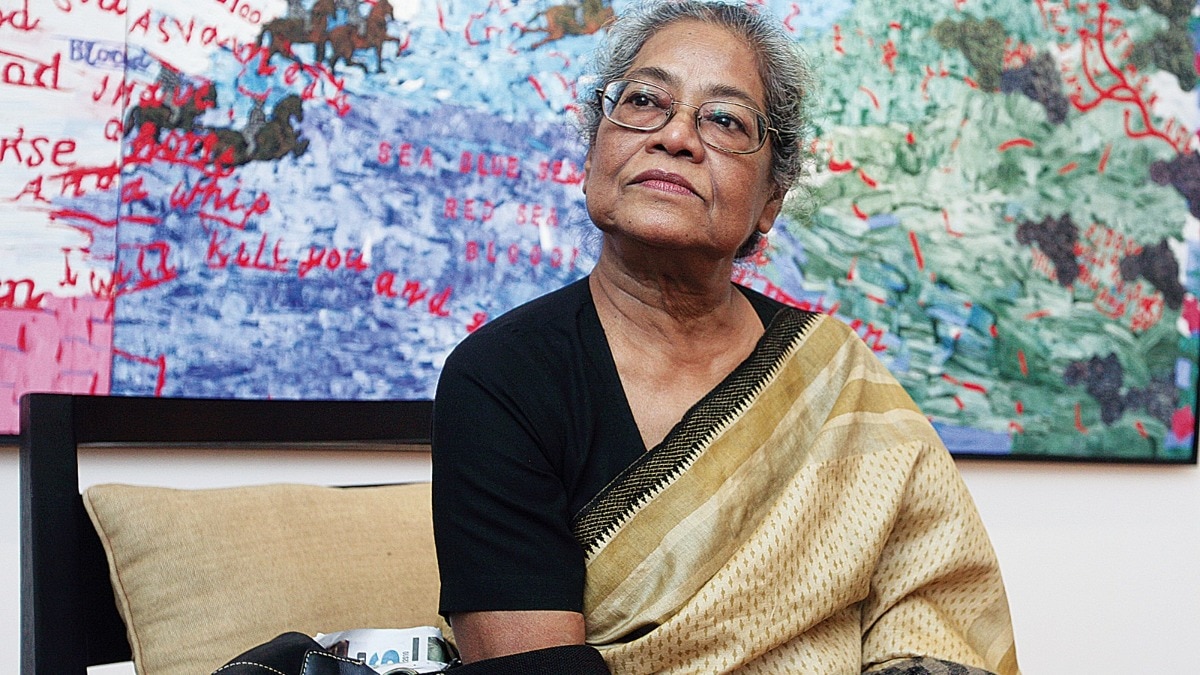
Arpita Singh's artistic practice marked a watershed moment in Indian visual culture during the 1980s, when a cohort of avant-garde practitioners began challenging established conventions. Her distinctive approach to composition, subject matter, and technique reflected broader shifts occurring within the country's creative landscape as artists sought to synthesize modernist influences with distinctly Indian sensibilities.
The emergence of Singh and her contemporaries corresponded with increased institutional support for contemporary art in India, including expanded gallery networks and greater international exposure. This period witnessed artists experimenting with diverse mediums and conceptual vocabularies, moving beyond the constraints of earlier artistic movements that had dominated Indian aesthetics.
Singh's contributions extended beyond her individual artistic output, as she became emblematic of a generation committed to establishing Indian contemporary art as a significant force in global artistic discourse. Her work demonstrated how regional artists could engage with international modernist traditions while maintaining distinctly local perspectives and cultural references.
The trajectory of Singh and her peers represented a pivotal juncture in Indian art history, establishing foundations upon which subsequent generations would build. Their willingness to experiment and innovate created expanded possibilities for artistic expression, ultimately transforming how Indian art was perceived both domestically and internationally.