World · India Bureau
Art Investment: Expert Tips on Authenticity Checks and Portfolio Sizing
Financial advisors caution prospective art buyers to verify authenticity and maintain modest portfolio allocations. Experts recommend treating art investments as long-term commitments requiring substantial holding periods.
LSN India ·
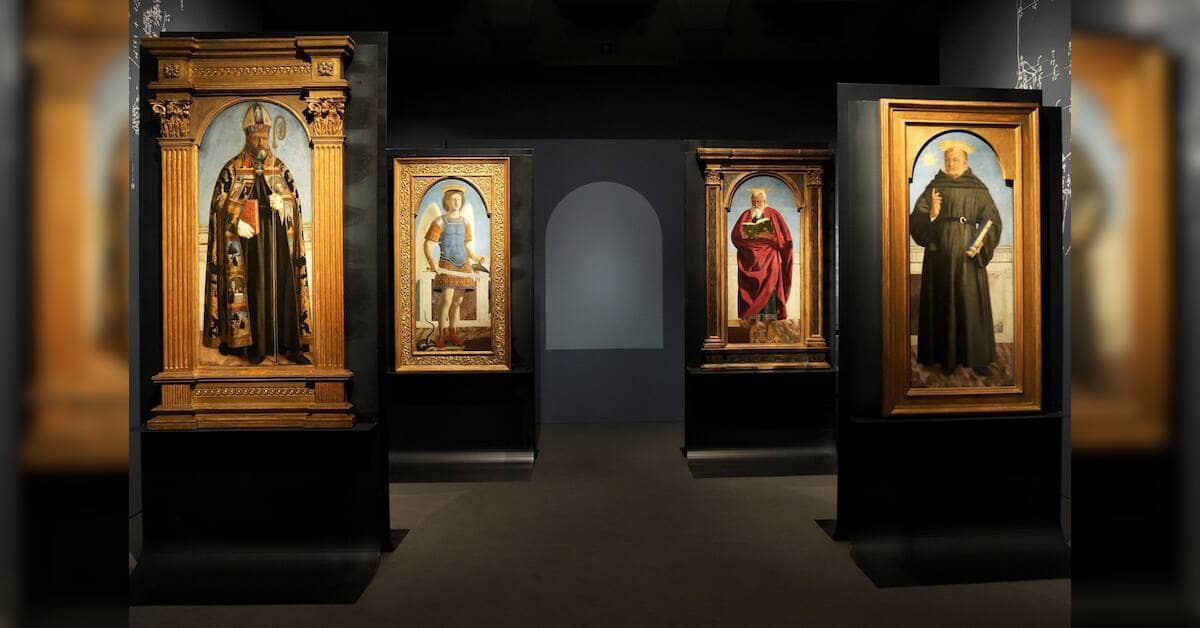
Art investment has emerged as an alternative asset class for Indian collectors and investors seeking portfolio diversification. However, specialists emphasize that entering this market requires careful due diligence and conservative positioning.
Authenticity verification stands as a critical prerequisite before any purchase. Prospective buyers should engage qualified appraisers, review provenance documentation thoroughly, and seek expert authentication from recognized institutions. The absence of proper verification exposes investors to counterfeit artwork and significant financial losses.
Cost considerations extend beyond the purchase price alone. Hidden expenses including insurance, storage, conservation, and professional handling can substantially impact overall returns. These ancillary costs must factor into investment decision-making from the outset.
Financial planners recommend maintaining art allocations as a minor portfolio component, particularly for newer investors. Capital committed to art acquisitions should represent money investors are prepared to leave invested for extended periods—typically years or decades. This approach acknowledges both the illiquid nature of art markets and the extended timeframe often required for appreciation.
Experts stress that art investment success depends fundamentally on informed decision-making, patience, and realistic expectations regarding liquidity and returns. Collectors treating art primarily as portfolio holdings rather than passion purchases are more likely to achieve favorable outcomes.