Technology · World News Bureau
Artificial intelligence demand strains global circuit board manufacturing capacity
A surge in demand for semiconductors powering artificial intelligence applications is creating bottlenecks across the global electronics supply chain. Manufacturers of printed circuit boards and semiconductor components face mounting pressure to scale production amid limited factory capacity.
LSN World News ·
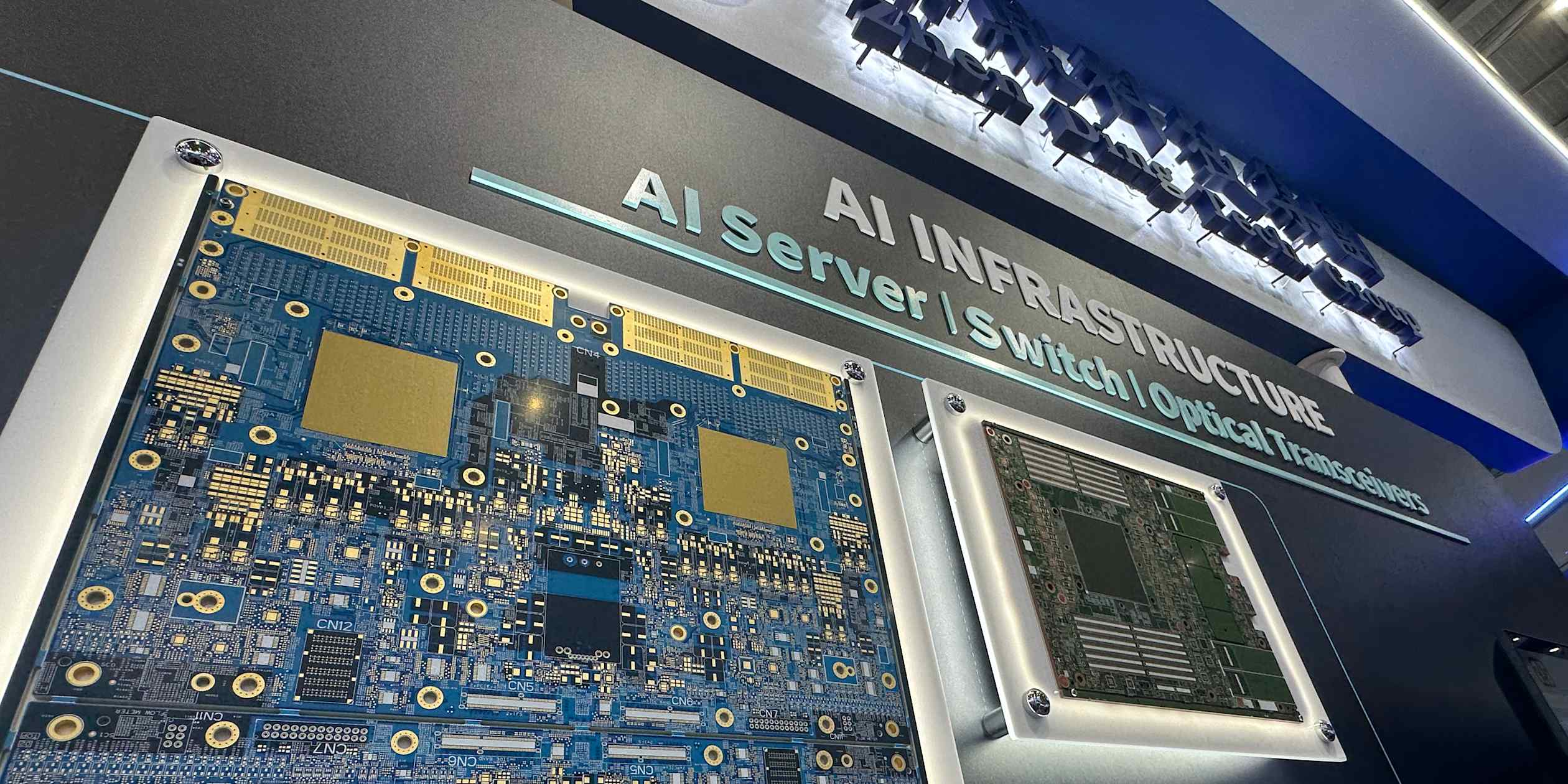
The rapid expansion of artificial intelligence technologies has triggered unprecedented demand for advanced semiconductors and circuit boards, overwhelming manufacturing facilities worldwide. Data centers, cloud computing providers, and technology companies are competing aggressively for limited supplies of high-performance chips needed to power machine learning systems and large language models, straining production capabilities across Asia, North America, and Europe.
Electronics manufacturers report extended lead times for critical components, with some orders facing delays stretching several months. The bottleneck extends across the entire supply chain, from raw materials and wafer fabrication to printed circuit board assembly and final product integration. Industry analysts warn that capacity constraints could persist through 2024 as chipmakers race to expand facilities.
Semiconductor producers have announced substantial capital investments to increase manufacturing output, but building new fabrication plants requires years of planning and construction. Existing factories are operating at near-maximum capacity, leaving limited room for rapid production increases. The shortage has prompted some technology companies to secure long-term supply agreements and invest directly in manufacturing partnerships.
The supply chain pressure reflects the broader economic significance of artificial intelligence development, with major technology firms prioritizing access to specialized semiconductors over traditional applications. Industry observers note that resolving the current constraints will require coordinated efforts among chipmakers, equipment suppliers, and materials producers to expand capacity substantially.