Technology · Vietnam Bureau
Artificial intelligence opens doors for Vietnam's persons with disabilities
As the Fourth Industrial Revolution accelerates across Asia, artificial intelligence is emerging as a powerful tool to break down barriers facing people with disabilities. Experts say AI technologies are helping create more inclusive employment opportunities and narrowing persistent digital divides.
LSN Vietnam ·
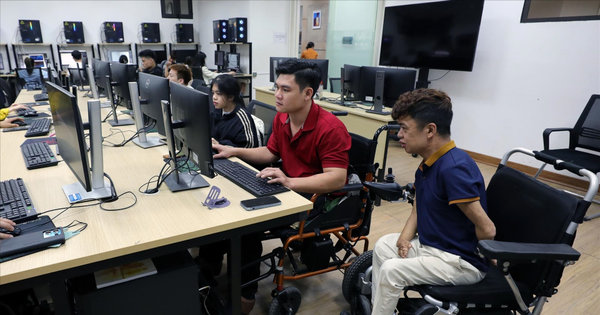
Artificial intelligence is reshaping opportunities for persons with disabilities (PwDs) across Vietnam and the broader region, offering technological solutions to long-standing accessibility challenges. The rapid advancement of AI tools is enabling people with disabilities to overcome barriers in learning, employment and communication that were previously viewed as insurmountable obstacles to full social participation.
Vietnam has intensified efforts in recent years to integrate persons with disabilities into the workforce and protect their fundamental rights. Ho Chi Minh City and other urban centers have launched initiatives aimed at preparing young people with disabilities for employment through skills training and job placement programs. These efforts recognize that meaningful work is essential for building independence and enabling PwDs to contribute fully to their communities.
AI technologies are proving particularly valuable in creating more accessible digital environments and personalized learning solutions. Speech recognition systems, text-to-speech software and intelligent adaptive interfaces are removing communication barriers and allowing people with disabilities to access educational resources and professional opportunities more easily. These innovations complement traditional support systems and create new pathways for workforce participation.
Experts emphasize that harnessing AI's potential requires coordinated policy frameworks and investment from both government and private sectors. By prioritizing inclusive technology design and accessibility standards, Vietnam and regional neighbors can leverage the Fourth Industrial Revolution to advance disability rights and ensure no segments of society are left behind in the digital economy.