Technology · World News Bureau
Artificial intelligence reshapes weather prediction for tropical storms
Advanced machine learning systems are revolutionizing hurricane forecasting capabilities, offering meteorologists new tools to improve prediction accuracy and storm tracking.
LSN World News ·
Meteorological agencies worldwide are increasingly turning to artificial intelligence to enhance hurricane forecasting systems, leveraging machine learning algorithms to process vast datasets and identify complex weather patterns with greater precision. These AI-driven models complement traditional forecasting methods by analyzing satellite imagery, ocean temperatures, atmospheric pressure readings, and historical storm data to generate more accurate predictions of storm trajectories and intensity.
The technology enables forecasters to process information at unprecedented speeds, allowing for more frequent model updates and refined warnings to be issued to vulnerable populations. Machine learning systems can detect subtle correlations within weather data that might escape human analysis, potentially improving lead times for evacuations and emergency response preparations in hurricane-prone regions.
While AI demonstrates considerable promise in enhancing forecast reliability, meteorologists emphasize that these systems work most effectively when integrated with conventional forecasting expertise. The human element remains crucial for interpreting model outputs, understanding local geographic factors, and communicating forecast uncertainty to the public in ways that inform decision-making.
As computational capabilities continue advancing and training datasets expand, weather services expect AI-enhanced forecasting to become increasingly central to their operations. This evolution reflects broader recognition that sophisticated technology, combined with established meteorological knowledge, can significantly strengthen humanity's ability to prepare for and respond to severe tropical weather events.
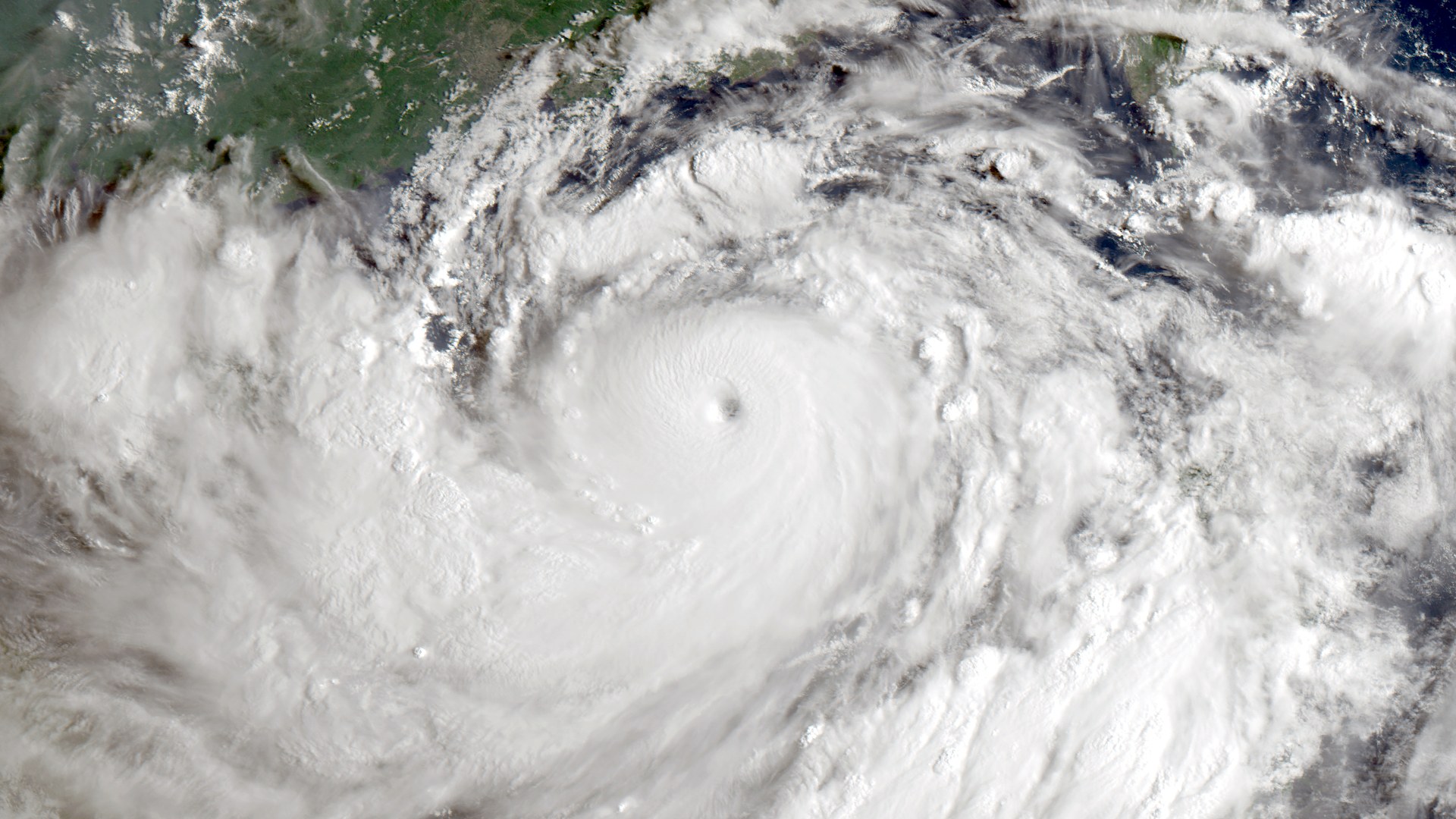
Photo: Typhoon Yagi at its initial peak over the South China Sea, 5 September 2024. Himawari-9 imagery, Japan Meteorological Agency, via Wikimedia Commons (CC BY 4.0).