World · India Bureau
Artificial nests offer hope for Australia's critically endangered palm cockatoos
Conservation efforts in Australia have achieved a significant milestone with the first successful fledging of a palm cockatoo chick from an artificial nesting hollow. The breakthrough on Cape York Peninsula demonstrates the potential of innovative breeding solutions for this critically endangered species.
LSN India ·
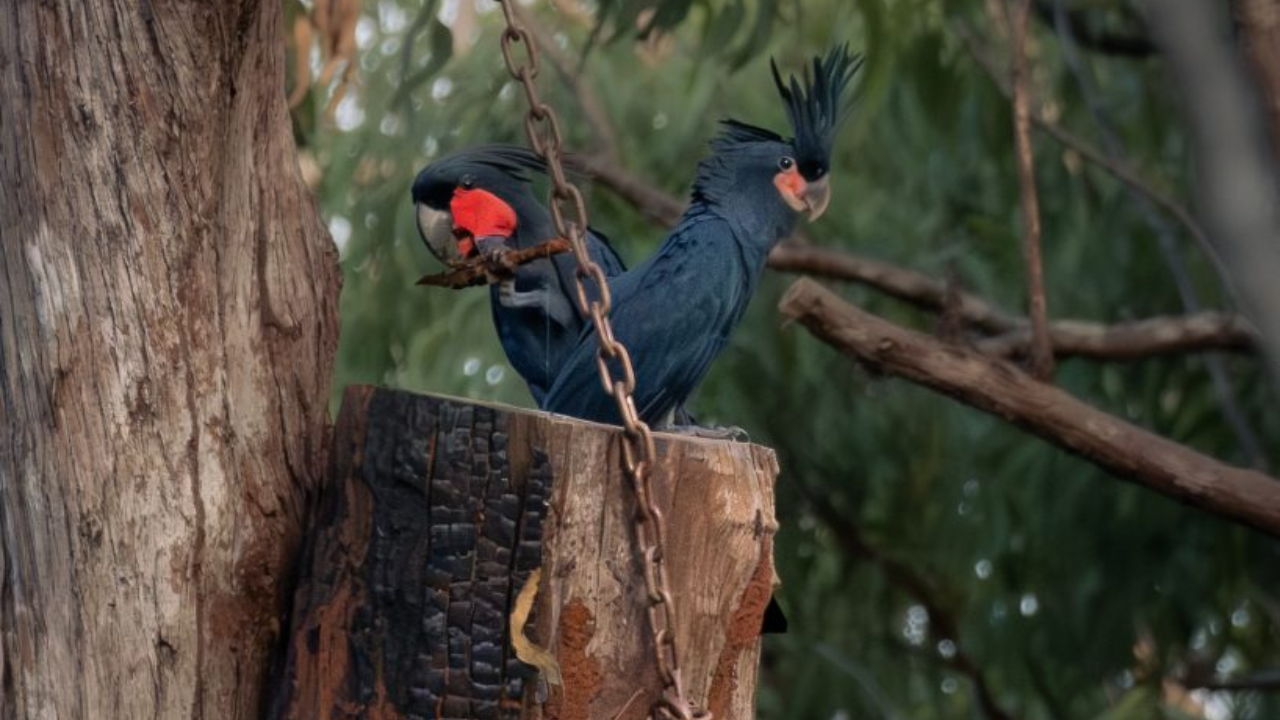
Wildlife conservationists have marked a turning point in palm cockatoo protection after a chick successfully fledged from an artificial hollow constructed on Australia's Cape York Peninsula. The achievement represents the first known instance of the endangered species breeding successfully in a human-made nesting site, offering renewed optimism for recovery programmes targeting the species.
The breakthrough came as part of a targeted conservation initiative that has installed 29 artificial nesting hollows across the region. Palm cockatoos, endemic to northeastern Australia and southern New Guinea, face severe breeding challenges due to the scarcity of suitable natural hollows in old-growth forests. This habitat limitation has contributed significantly to their endangered status, with breeding numbers declining across their range.
Conservation teams developed the artificial hollows to replicate natural breeding cavities, addressing a critical bottleneck in the species' reproduction cycle. The successful fledging of the first chick validates the technical approach and suggests the installations may substantially improve breeding outcomes for wild populations.
Monitoring of the artificial nest sites will continue to evaluate their effectiveness in supporting chick development and long-term population recovery. Conservationists are optimistic that the programme could be expanded to additional locations, potentially transforming breeding success rates for this critically endangered cockatoo species.