World · India Bureau
Artificial reefs prove effective in boosting marine biodiversity off Florida coast
A comprehensive study of artificial reef structures deployed off Miami Beach demonstrates significant increases in local fish populations and species diversity. The research, which tracked marine life across three different reef construction materials over three years, offers insights relevant to coastal conservation efforts globally.
LSN India ·
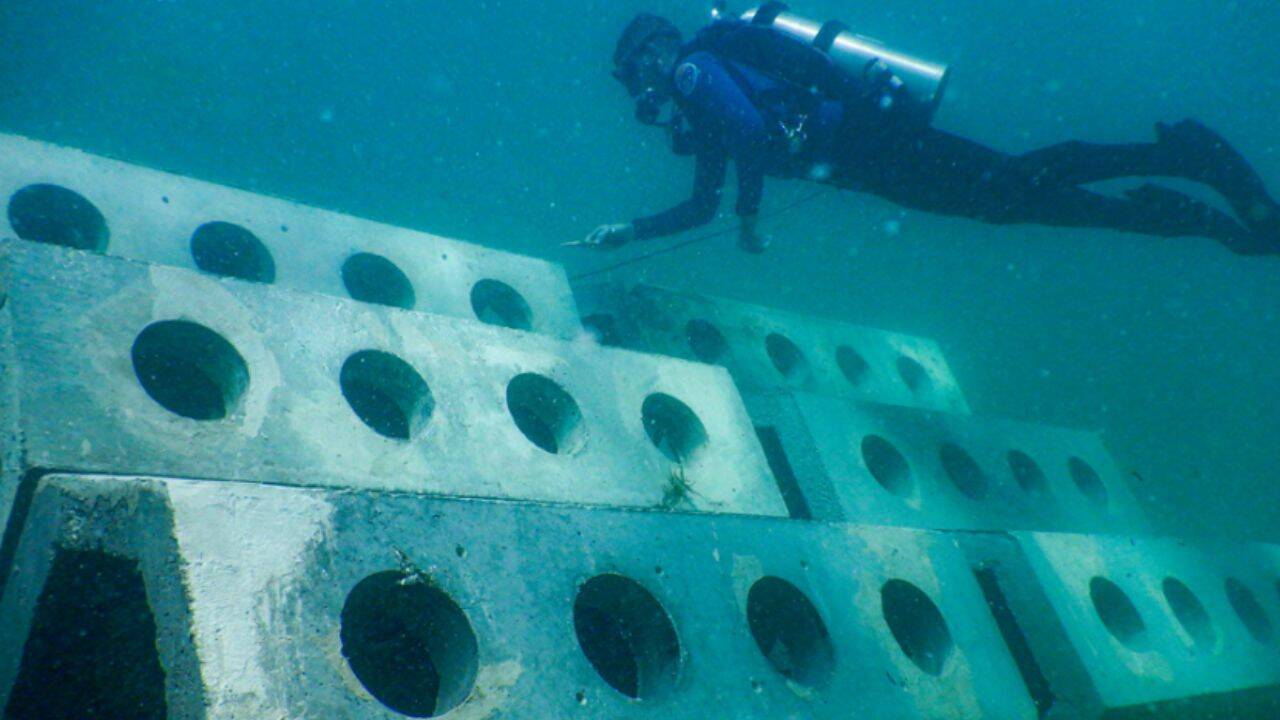
Researchers examining 12 artificial reefs constructed off Miami Beach between 1998 and 2001 found that the structures substantially enhanced fish abundance and species richness in the area. The reefs, built using limestone boulders, concrete-gravel aggregate, and concrete mixed with recycled tyre chips, were monitored by divers conducting surveys every two months from October 1998 through February 2001.
The comprehensive monitoring effort documented 97,826 fish specimens representing 146 different species, along with populations of spiny lobsters. This extensive data collection provided one of the most detailed assessments of artificial reef effectiveness in supporting marine life during that period.
When researchers compared conditions before and after reef deployment, they observed marked improvements in both the total number of fish and the variety of species inhabiting the area. The findings indicate that artificial reefs can play a meaningful role in restoring marine ecosystems and supporting fish stocks in coastal regions.
Interestingly, the study found no significant differences in fish abundance, biomass, or species richness among the three reef construction materials tested. This suggests that multiple construction approaches can prove equally effective, offering coastal communities flexibility in designing and deploying reef structures suited to local conditions and available resources. The results have implications for marine conservation strategies in regions seeking to enhance fishery productivity and biological diversity.