World · Malaysia Bureau
Artist races against Parkinson's to create lasting memories with daughter
Malaysian artist Kiru Muniandy is banking on advanced brain surgery to restore his mobility and artistic ability as Parkinson's disease progressively limits his independence. The procedure offers hope that he can continue painting and spending quality time with his family.
LSN Malaysia ·
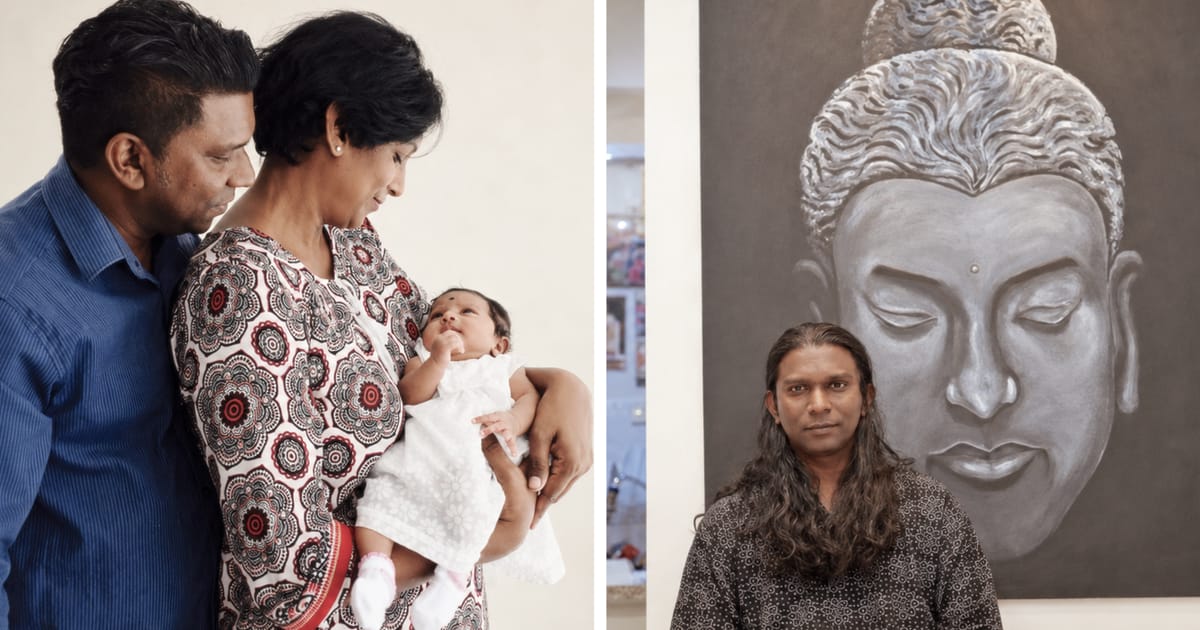
Kiru Muniandy's battle with Parkinson's disease has steadily eroded his ability to move freely and pursue his passion for art. The progressive neurological condition has forced the artist to confront the possibility that his window to create meaningful work and memories with loved ones may be closing. Facing this harsh reality, Muniandy has turned to deep brain stimulation as a potential lifeline to reclaim lost function.
Deep brain stimulation, a surgical procedure involving the placement of electrodes in specific areas of the brain, has shown promise in managing some of Parkinson's symptoms. For Muniandy, the procedure represents more than just medical intervention—it embodies a determination to paint his daughter's portrait while he still possesses the physical capability to do so. The surgery aims to restore sufficient motor control to allow him to paint, walk, and engage more fully with his family.
Parkinson's disease affects millions worldwide and typically worsens over time as dopamine-producing neurons deteriorate. Patients often experience tremors, rigidity, and difficulty with movement, which can significantly impact quality of life and professional endeavors. Muniandy's situation underscores the emotional toll such conditions inflict, particularly for those whose livelihoods and identities are tied to physical skill.
While deep brain stimulation is not a cure, medical evidence supports its effectiveness in reducing motor symptoms in eligible patients. Muniandy's decision to pursue the procedure reflects his commitment to maximizing whatever time remains to him as an active creator and present family member. His story resonates as a poignant reminder of how individuals facing chronic illness often prioritize meaningful connection and creative expression over other concerns.