World · India Bureau
Arunachal Pradesh borders remain stable despite LAC tensions
Indian military maintains firm control over sensitive Line of Actual Control positions in Arunachal Pradesh's Asifila and Longju sectors despite differing perceptions with China. The sustained security presence is simultaneously bolstering socio-economic development in border areas.
LSN India ·
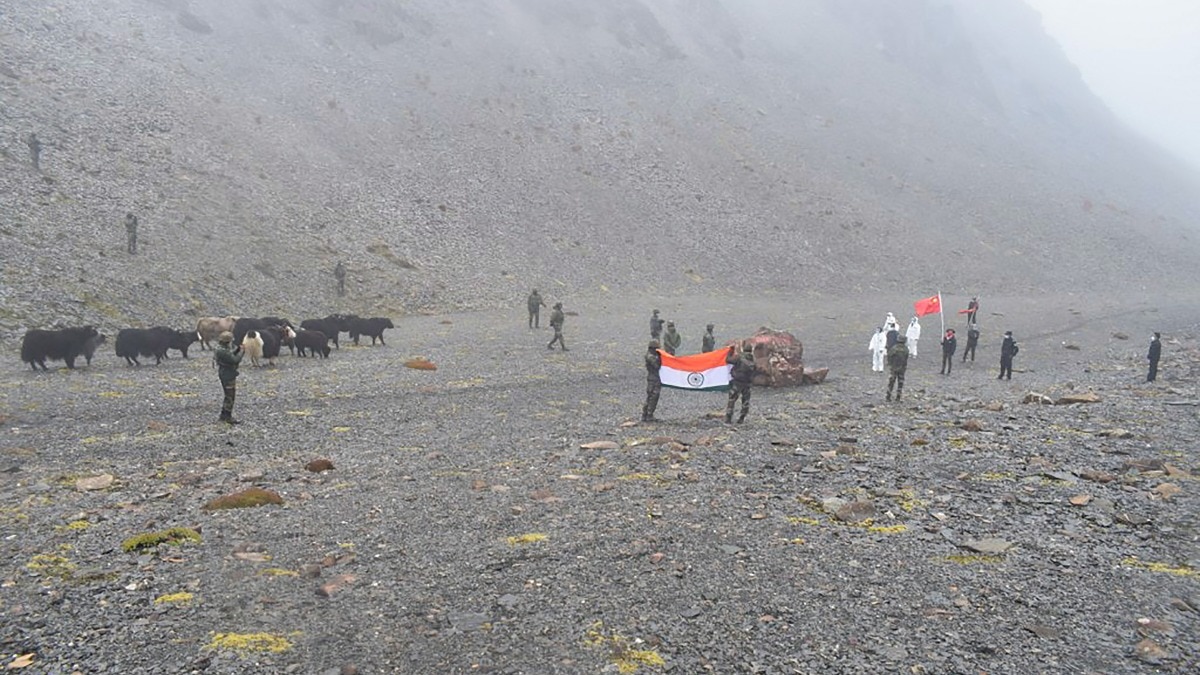
The situation along the Line of Actual Control in Arunachal Pradesh's Asifila and Longju sectors remains under control despite underlying tensions stemming from differing boundary perceptions between India and China, according to latest assessments.
While the border areas continue to represent a zone of strategic sensitivity, Indian security forces maintain a comprehensive presence that has prevented any major escalation of incidents. Both sectors have historically been points of contention owing to competing territorial claims, yet military-to-military coordination and established protocols have helped manage potential flashpoints.
Beyond security considerations, the sustained presence of armed forces in these frontier regions is generating secondary benefits for local populations. Border infrastructure development, including improved road connectivity and administrative facilities, has accompanied military deployments, creating economic opportunities for frontier communities. Government initiatives are simultaneously expanding healthcare and educational services in these remote areas.
The dual mandate of security vigilance and development support reflects India's comprehensive approach to border management in the Northeast. Officials indicate that maintaining stability in these sectors remains a priority while simultaneously working toward improving living standards for populations in strategically important frontier zones.