World · India Bureau
Arunachal Pradesh districts shut down over detained dam protesters
Three districts in Arunachal Pradesh observed a 12-hour shutdown on Wednesday as protest organisers demanded the release of 10 people arrested for opposing a proposed hydroelectric project on the Siang River. The groups have warned of escalating agitation if their demands are not met within 24 hours.
LSN India ·
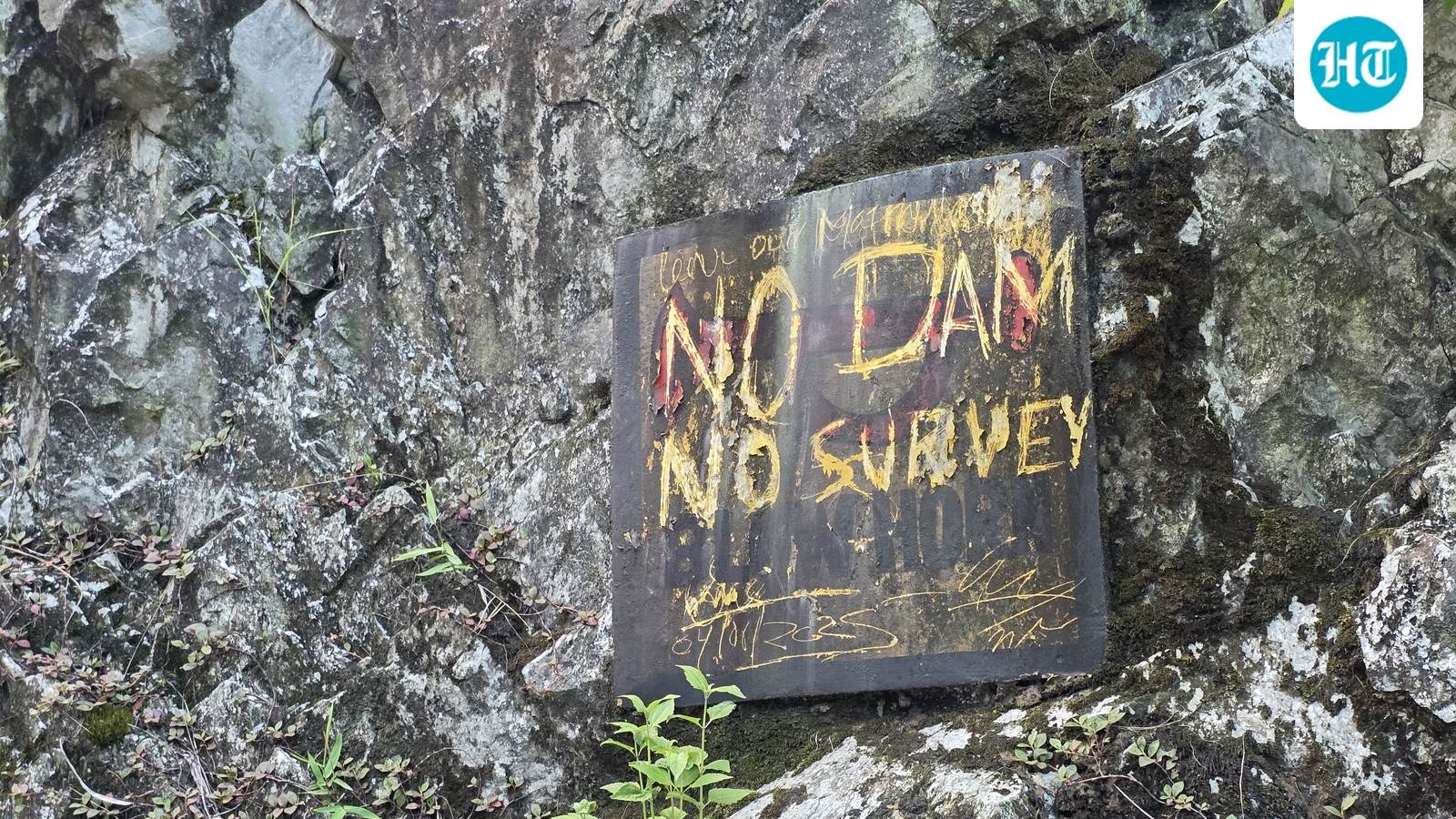
The shutdown brought commercial and transportation activities to a standstill across three districts of the northeastern state, with organisers citing the detention of activists who had been staging opposition to the planned Siang River dam project. The detained individuals were taken into custody following demonstrations against the hydroelectric scheme, which has drawn sustained opposition from environmental groups and local communities concerned about ecological and social impacts.
Organisers of the protest action said the 12-hour shutdown was intended to mount pressure on authorities to secure the immediate release of the 10 detainees. They issued an ultimatum, indicating that if the detainees remain in custody beyond the 24-hour deadline, wider and more disruptive forms of protest would be initiated across the state.
The Siang River dam project has emerged as a significant point of contention in Arunachal Pradesh, with various stakeholder groups raising concerns about its feasibility and potential consequences for local populations and the environment. The detention of anti-dam campaigners has intensified tensions between project proponents and opposition groups, bringing the dispute into the public domain through this show of collective action.
Authorities have not yet made public statements regarding the demands or the circumstances surrounding the detention of the 10 individuals. The standoff underscores the growing friction over major infrastructure projects in the region and the determination of activist groups to challenge developments they view as threatening to local interests.