World · World News Bureau
ASEAN, China fail to reach South China Sea code accord
Southeast Asian nations and China have not yet finalized a binding code of conduct for the contested waterway despite years of negotiations. The bloc's leaders also reiterated opposition to violence in Myanmar and extended restrictions on the country's representation at regional summits.
LSN World News ·
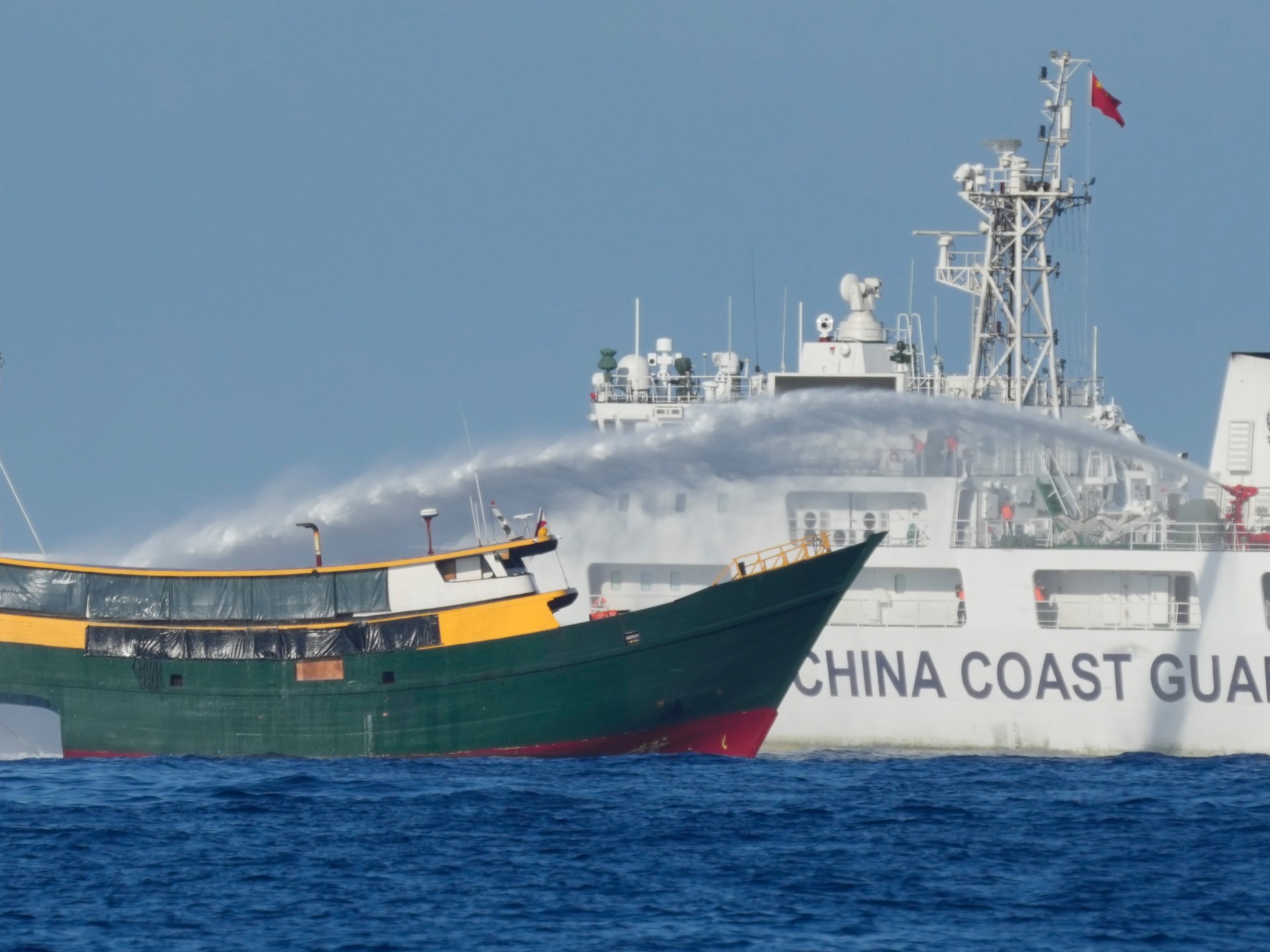
ASEAN and China remain at an impasse over a comprehensive code of conduct for the South China Sea, according to statements from the latest round of regional talks. The proposed agreement aims to establish rules governing maritime behavior and preventing incidents in one of the world's busiest shipping lanes, which is claimed in whole or part by multiple nations. Despite persistent diplomatic efforts, the parties have not bridged key differences over the scope and binding nature of the framework.
The delay marks a significant setback in efforts to manage tensions in the strategically vital region. ASEAN member states and Beijing have been negotiating a code of conduct for years, with previous target dates repeatedly missed. The failure to achieve consensus underscores the complex geopolitical and economic interests at stake in the waterway.
Separately, ASEAN leaders issued a fresh statement condemning ongoing violence in Myanmar, where military authorities seized power in 2021. The bloc extended its ban preventing Myanmar's junta leaders from attending ASEAN summits and related meetings, a measure first implemented in 2021 as pressure against the military government. The decision reflects the bloc's continued disapproval of the political situation, though ASEAN's traditionally consensus-based approach has limited its capacity for stronger enforcement mechanisms.
The dual outcomes—the stalled code of conduct and continued pressure on Myanmar—highlight ongoing challenges for ASEAN in managing internal disputes and coordinating responses to regional crises. Regional analysts note that resolving the South China Sea code remains essential for maintaining stability and predictability in one of Asia's most economically important shipping corridors.