Business · Singapore Bureau
ASEAN firms need strategy beyond investment to seize China trade gains
As China-ASEAN trade surpassed US$1 trillion for the first time in 2025, regional leaders warn that capital alone will not unlock the full potential of expanding commercial opportunities.
LSN Singapore ·
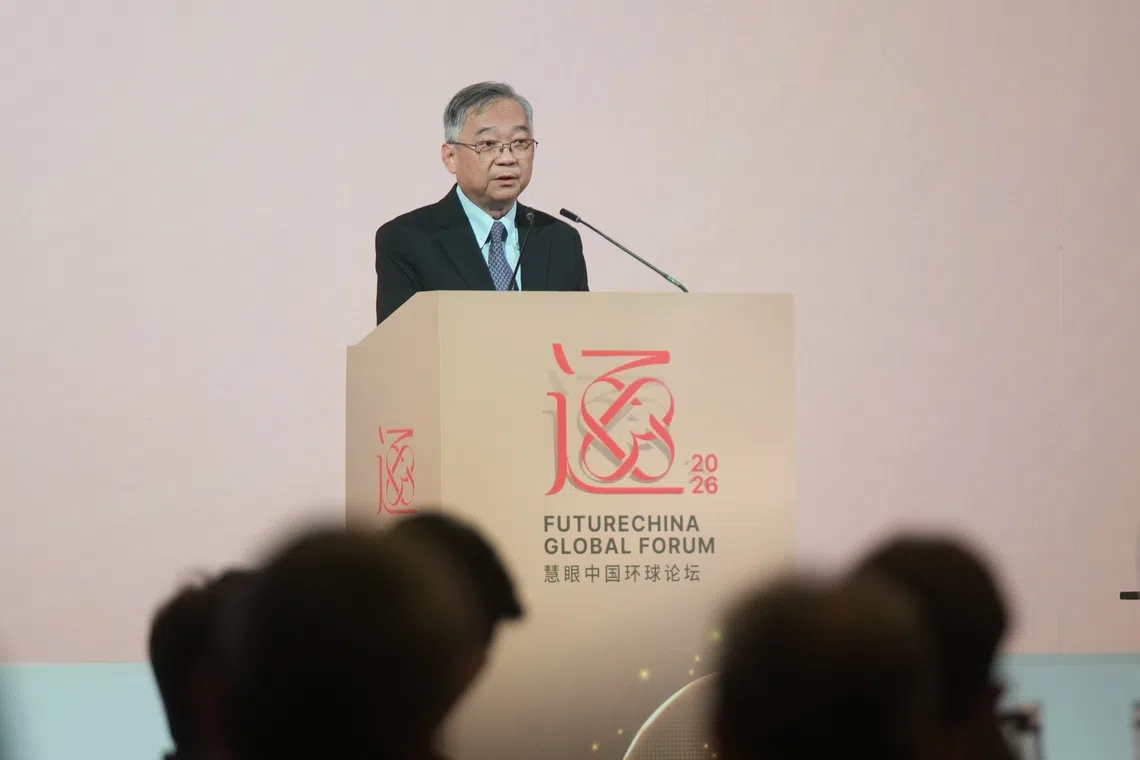
China-ASEAN bilateral trade exceeded US$1 trillion (S$1.28 trillion) in 2025, marking a historic milestone in economic relations between Beijing and the ten-member bloc. However, the achievement underscores a critical challenge: investment flows must be accompanied by strategic planning and operational competence to translate commercial potential into sustained growth.
Regional officials have emphasised that monetary commitments require complementary measures to yield meaningful returns. Companies across ASEAN need to develop robust market strategies, build workforce capabilities, and establish efficient supply chain networks to capitalise on the expanded trade environment. Without these foundational elements, even substantial capital injections may fail to generate proportional economic gains.
The record trade volume reflects deepening economic integration between China and ASEAN, driven by regional trade agreements and investment frameworks. The milestone comes as both sides seek to expand cooperation across multiple sectors including technology, manufacturing, and digital commerce. Yet the path forward demands that ASEAN enterprises move beyond passive recipient roles to become active players in shaping bilateral trade dynamics.
Policymakers across the region have signalled their intent to enhance enterprise capabilities through skills development programmes and institutional support. The emphasis reflects recognition that sustainable competitiveness requires more than financial resources—it demands strategic positioning, innovation, and organisational excellence in an increasingly complex regional economy.