Politics · Singapore Bureau
ASEAN Myanmar peace plan lacks concrete implementation strategy: Bangkok
Thailand's foreign minister has raised concerns about the adequacy of ASEAN's approach to resolving Myanmar's political crisis, pointing to gaps in execution planning. The criticism highlights ongoing frustration among regional powers over the effectiveness of the bloc's diplomatic efforts.
LSN Singapore ·
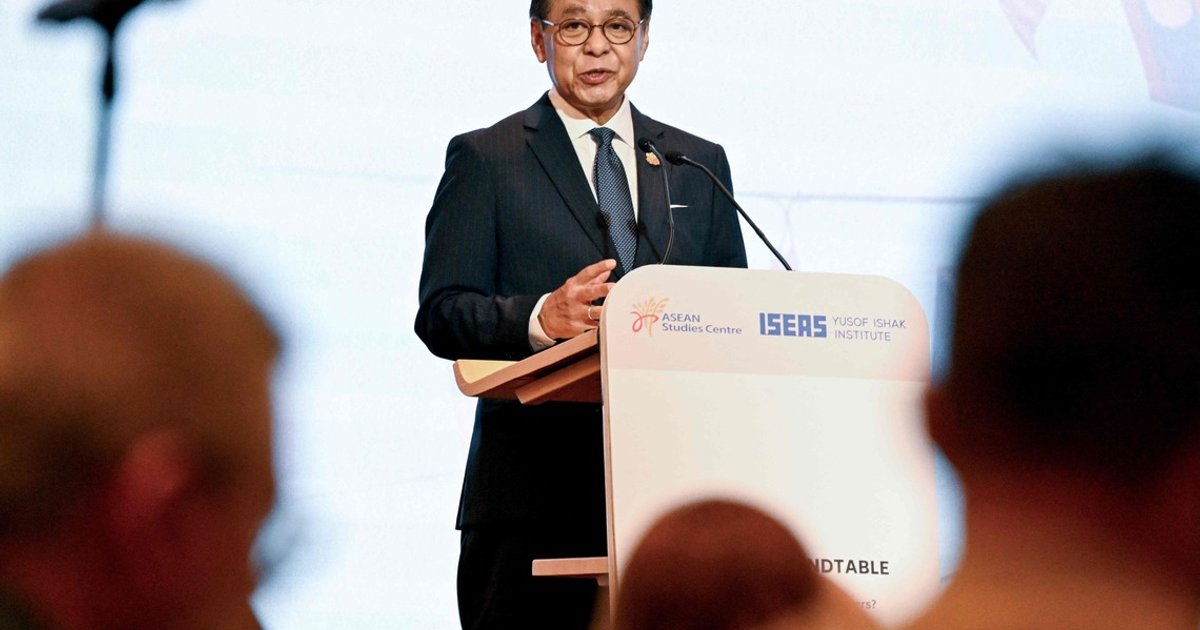
Thailand's top diplomat has cast doubt on ASEAN's peace initiative for Myanmar, questioning whether the regional grouping has developed a sufficiently detailed roadmap for putting its proposals into practice.
The foreign minister's remarks underscore growing concerns within Southeast Asia about the limited progress achieved through ASEAN's consensus-based approach to Myanmar's protracted political turmoil. Since the military coup in early 2021, ASEAN's efforts have centred on its "Five-Point Consensus" framework, which calls for dialogue, humanitarian assistance, and a cessation of violence.
However, the Thai official's assessment suggests that while the broad principles remain in place, ASEAN member states have struggled to translate these commitments into concrete steps that would meaningfully advance a resolution. The lack of a detailed implementation strategy has left significant questions about how the bloc intends to monitor compliance or enforce its recommendations among the conflicting parties in Myanmar.
The critique reflects broader challenges facing ASEAN as it seeks to maintain its unity and relevance while dealing with Myanmar's internal conflict. Regional governments have faced pressure from Western nations and civil society groups to take stronger measures, even as they attempt to balance engagement with Myanmar's military leadership against demands for more decisive action.