Culture & Entertainment · Singapore Bureau
ASEAN's disaster preparedness work often overlooked, experts say
While ASEAN faces criticism for its handling of political crises, the regional bloc has been quietly building capacity for major disaster response. Experts say this preparedness work deserves greater recognition.
LSN Singapore ·
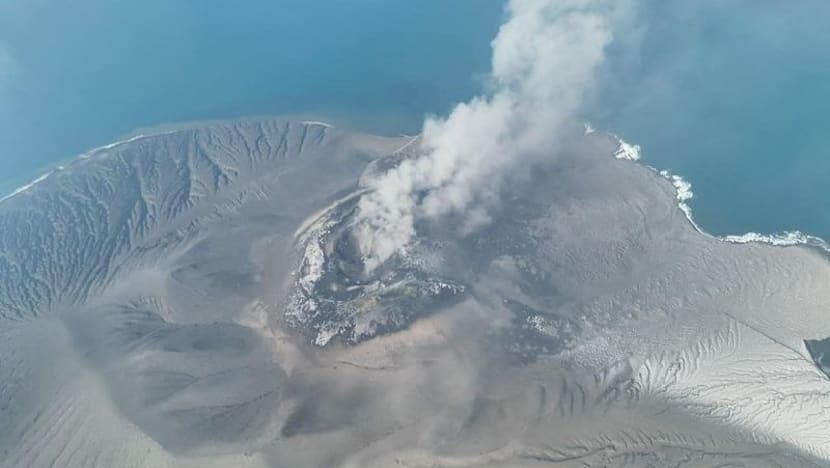
ASEAN's reputation often hinges on its ability—or inability—to resolve political flashpoints across the region. However, the Association of Southeast Asian Nations has invested considerable effort into disaster preparedness and response frameworks that operate largely outside the public eye.
The 10-member bloc's work in this area reflects a pragmatic recognition that natural disasters and other emergencies do not respect political boundaries. From typhoons and floods to earthquakes and pandemics, Southeast Asia faces recurring threats that require coordinated regional responses.
This preparedness infrastructure includes disaster management protocols, coordinated early warning systems, and agreements for cross-border humanitarian assistance. Such mechanisms have become increasingly sophisticated over time, allowing ASEAN member states to share information and resources more effectively when crises strike.
The contrast between ASEAN's visible struggles with political mediation and its less-publicized disaster-response work highlights a broader reality: regional cooperation succeeds more readily in technical and humanitarian domains than in contentious political disputes. While the bloc may stumble over geopolitical conflicts, its collaborative approach to natural hazards has proven more durable.
As Southeast Asia faces growing climate risks and emerging global health threats, ASEAN's disaster preparedness capabilities are likely to become even more critical to regional stability and resilience.