World · Singapore Bureau
ASEAN's haze crisis persists despite regional pledges and commitments
Decades of agreements have failed to prevent transboundary smoke pollution across Southeast Asia, with success dependent largely on Indonesia's enforcement efforts. Experts say stronger political will and coordinated regional action are needed to tackle recurring fires.
LSN Singapore ·
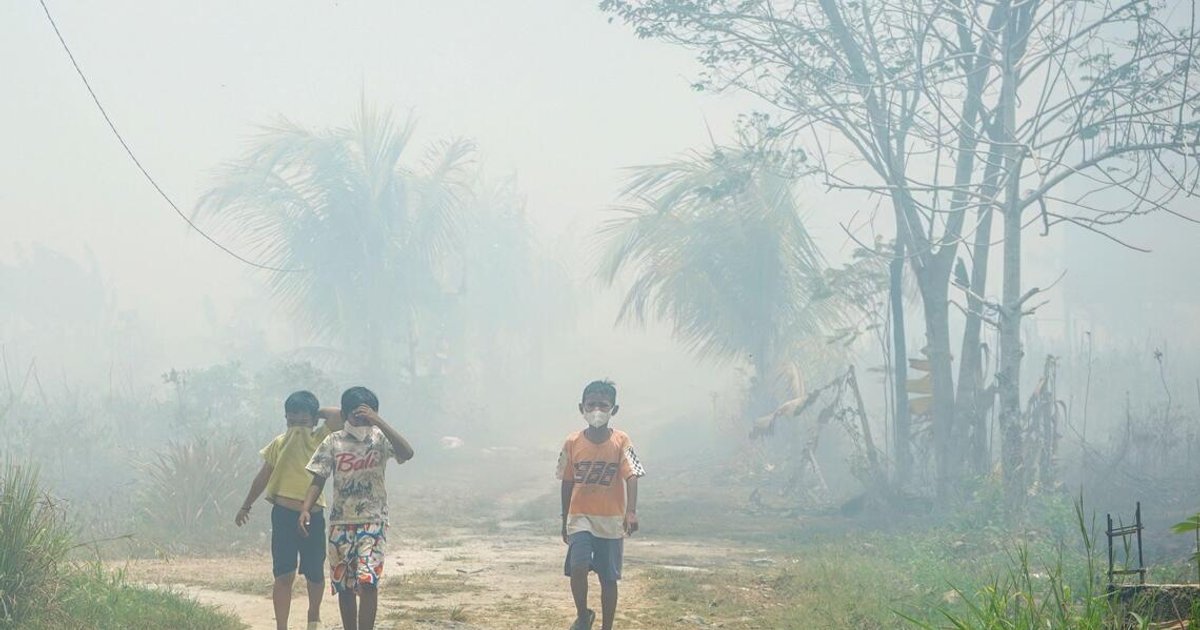
The persistent haze that blankets Southeast Asia during dry seasons remains one of the region's most intractable environmental challenges, despite numerous multilateral agreements and decades of diplomatic efforts. ASEAN member states have repeatedly committed to combating transboundary smoke pollution, yet the problem resurfaces with predictable regularity, affecting air quality across Singapore, Malaysia, and other neighbouring countries. At the heart of the crisis lies a fundamental implementation gap between regional pledges and on-the-ground enforcement. Indonesia, home to vast peatlands and agricultural areas vulnerable to burning, holds the key to resolving the issue, yet political commitment to preventing fires has proven inconsistent. Authorities in Jakarta have struggled to prevent smallholder farmers and plantation companies from using slash-and-burn agriculture, despite the environmental and health costs borne across the region. Without stronger domestic enforcement mechanisms and international pressure, experts warn that ASEAN's current approach will continue to yield disappointing results. Regional cooperation mechanisms, including the ASEAN Agreement on Transboundary Haze Pollution signed in 2002, lack adequate enforcement provisions and rely too heavily on voluntary compliance. Observers suggest that more rigorous monitoring systems, tangible economic incentives for fire prevention, and coordinated cross-border action are essential if Southeast Asia is to break the cycle of recurring haze crises that plague the region annually.