World · World News Bureau
Asia fears great power deal could reshape regional order
Concerns are mounting across Asia that major powers may negotiate a settlement that excludes smaller nations, threatening to upend the region's postwar balance. The specter of a modern-day Yalta Conference—where global powers carved up spheres of influence—has intensified anxieties about diminished voice for regional players.
LSN World News ·
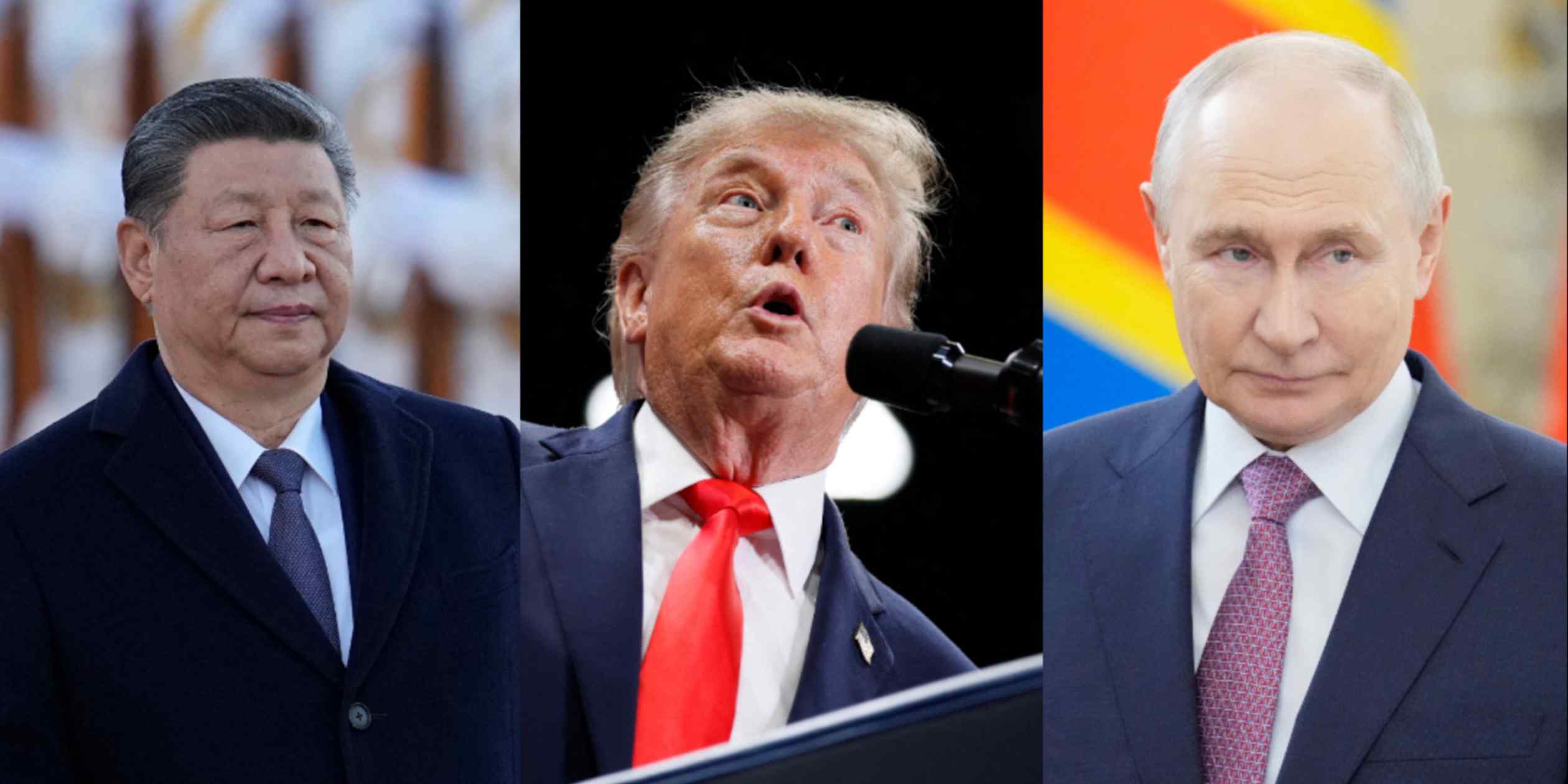
Anxiety is spreading through South and Southeast Asia over the possibility that major powers could negotiate a comprehensive agreement that marginalizes smaller nations and redraw regional alignments without their consent. The comparison to the 1945 Yalta Conference, where Allied leaders determined Europe's postwar fate with little regard for smaller nations' interests, reflects deep concerns about the future of the existing regional order.
The apprehension stems from ongoing great power competition and diplomatic maneuvering that analysts warn could leave mid-sized and smaller Asian nations with limited influence over outcomes affecting their security and prosperity. Some regional governments fear that bilateral arrangements between major powers could establish spheres of influence that effectively constrain their policy choices and strategic autonomy.
The concerns underscore a fundamental tension in contemporary Asia: while the postwar order has generally enabled regional growth and stability, that architecture increasingly appears vulnerable to being superseded by informal arrangements among the world's most powerful states. Regional analysts emphasize that any settlement negotiated without broader Asian participation could prove destabilizing, potentially undermining decades of multilateral frameworks and institutions that have anchored the region's development.
Government officials and policy experts across the region are calling for inclusive dialogue mechanisms and warning against the dangers of repeating Cold War-era patterns. They argue that sustainable regional stability requires respect for the agency and interests of all nations, not a return to great power spheres of influence.