World · World News Bureau
Asia must resist coal temptation amid LNG supply crisis
Surging liquefied natural gas prices across Asia risk pushing the region back toward coal-fired power generation, threatening climate commitments and long-term energy security. Energy analysts warn policymakers against short-term fossil fuel fixes that could undermine decarbonization goals.
LSN World News ·
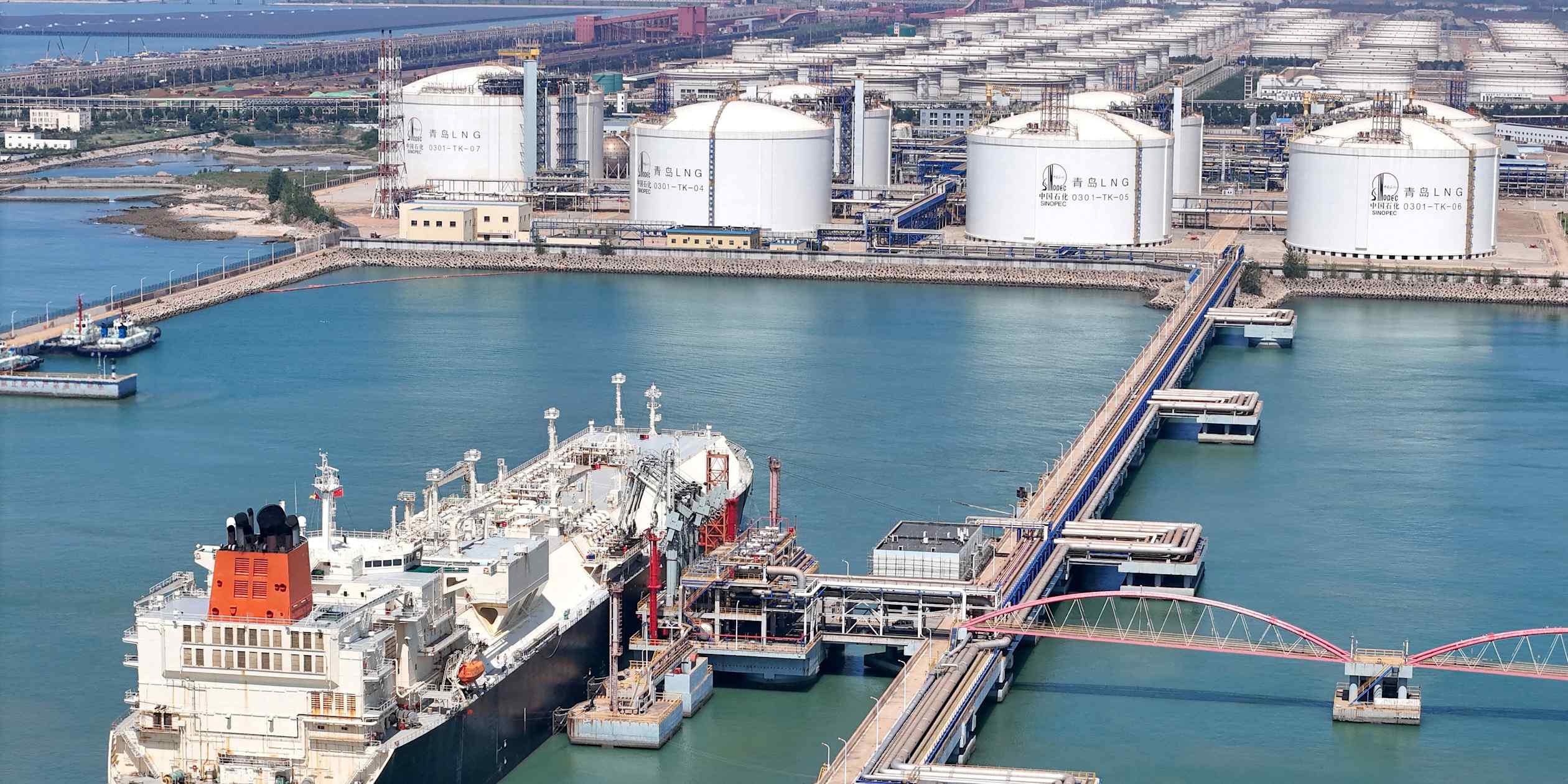
Asia faces mounting pressure to secure affordable energy as liquefied natural gas prices surge to multi-year highs, raising concerns that cash-strapped utilities and governments may reverse course on coal phase-out commitments. The LNG supply shock, driven by geopolitical tensions and competing demand from Europe, has created an opening for coal advocates to argue for expanded use of the cheaper fuel to bridge near-term energy gaps.
Energy experts caution that succumbing to such pressure would prove counterproductive for the region's climate objectives and economic interests. A return to coal expansion would lock in decades of higher carbon emissions while undermining the renewable energy transition that has gained momentum across South and Southeast Asia over the past five years.
Rather than reversing course, analysts recommend that governments prioritize accelerated deployment of renewable energy capacity, battery storage solutions, and efficiency improvements to buffer against volatile LNG markets. Several nations have announced emergency measures including liquefied natural gas imports and temporary energy conservation programs, but these should complement rather than replace long-term clean energy strategies.
The current crisis underscores the importance of energy diversification for regional security and affordability. Market observers note that overreliance on any single fuel source leaves Asian economies vulnerable to supply disruptions and price volatility, strengthening the case for sustained investment in renewable infrastructure and grid modernization projects.