Politics · Vietnam Bureau
Asia Pacific braces for elderly care crisis as aging population surges
The Asia Pacific region faces mounting pressure to overhaul healthcare systems as the number of people aged 60 and older is projected to reach nearly 1.3 billion by 2050. Policymakers and health experts are calling for urgent investment in aged care infrastructure and disease prevention strategies.
LSN Vietnam ·
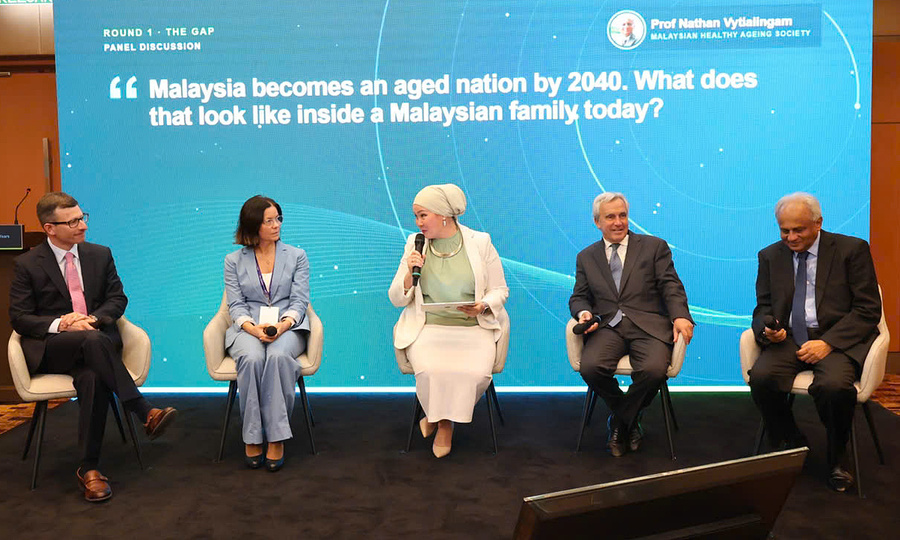
The rapid aging of Asia Pacific's population presents one of the region's most pressing public health challenges, with demographic shifts expected to strain existing healthcare frameworks across multiple countries. By 2050, elderly residents aged 60 and older will represent a significantly larger share of the population, fundamentally reshaping healthcare demand and social support systems.
Participants at the Silver Economy Forum 2026 highlighted the critical need for comprehensive policy responses to address this demographic transition. Healthcare innovation, preventive medicine, and investment in aged care services emerged as priority areas requiring immediate attention from governments and the private sector.
Experts emphasized that proactive measures focused on healthy aging could reduce the burden of chronic diseases and lower overall healthcare costs. Strengthening primary care systems, expanding geriatric training for medical professionals, and developing community-based support networks were identified as key components of effective aging strategies.
The forum underscored that preparing for this demographic shift requires coordinated efforts across the region. Without substantial investment and policy reforms, health systems risk becoming overwhelmed, potentially compromising care quality and economic stability across Asia Pacific.