Technology · World News Bureau
Asian currencies face headwinds from AI disruption and oil price volatility
Regional currencies from Taiwan to the Philippines are under pressure as investors grapple with uncertainty over artificial intelligence's economic impact and swings in crude oil prices. The twin concerns are triggering portfolio shifts across Asia's foreign exchange markets.
LSN World News ·
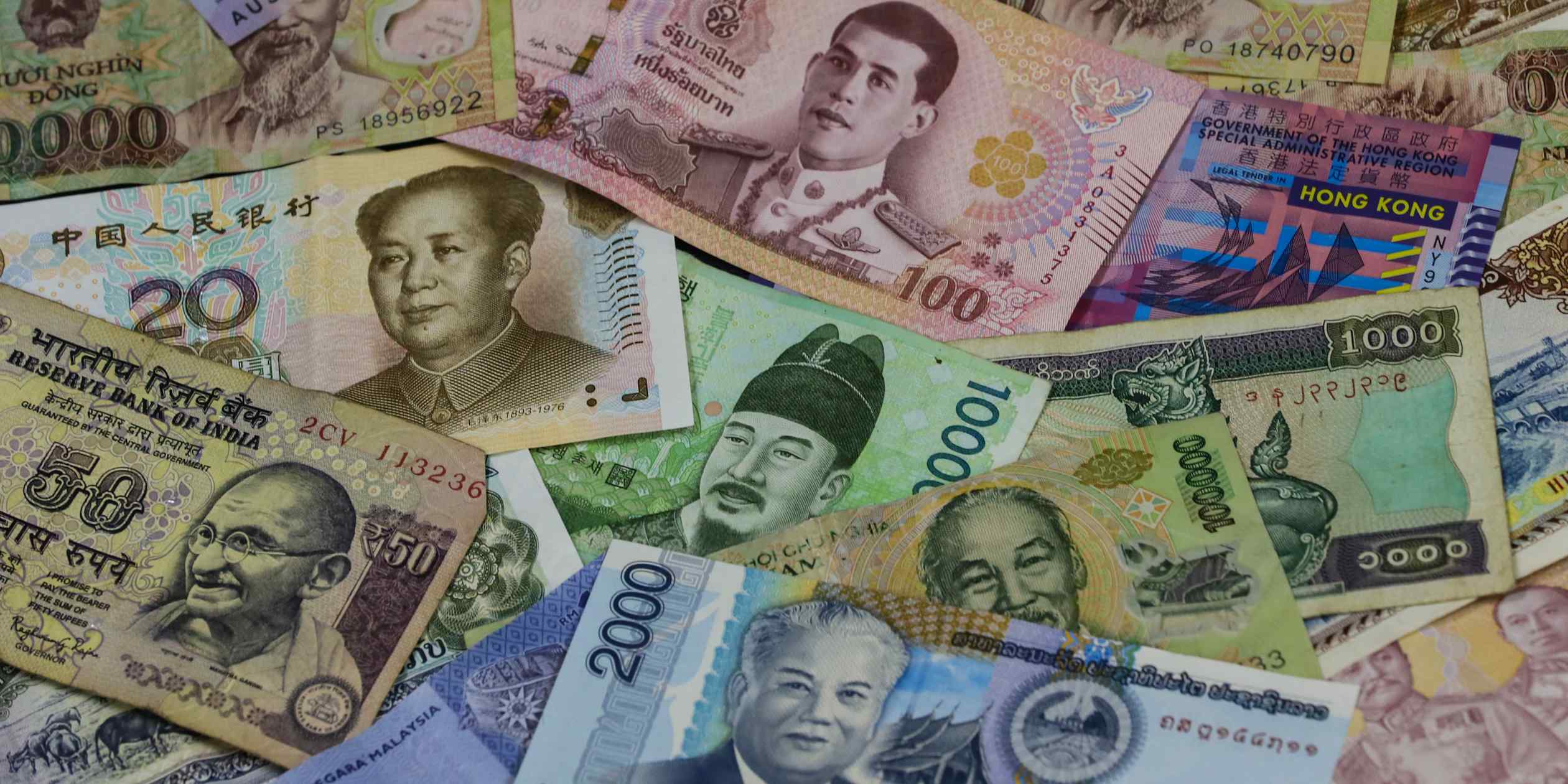
Asian currencies are experiencing renewed volatility as market participants reassess economic outlooks in light of rapid artificial intelligence developments and fluctuating energy costs. The Philippine peso, Taiwan dollar, and other regional units have come under selling pressure as investors weigh the implications of AI-driven productivity gains against potential labor market disruptions and their effects on growth trajectories across South and Southeast Asia.
Oil price movements are amplifying currency swings, particularly for economies heavily dependent on energy imports. Rising crude costs threaten to widen current account deficits and fuel inflation concerns, prompting central banks and investors to recalibrate currency positions. The combination of structural uncertainty around AI adoption and cyclical oil price pressures has created an environment of heightened caution among foreign exchange traders.
Analysts note that emerging Asian economies face a complex balancing act. While technological advancement promises long-term productivity gains, the near-term transition risks and energy cost pressures are driving near-term currency weakness. Regional policymakers are monitoring capital flows closely as investors reassess asset allocations and consider whether current valuations adequately compensate for these intersecting risks.
The currency pressures reflect broader market dynamics affecting Asia's external sector, with investors taking defensive positions pending clearer signals on how artificial intelligence adoption will reshape regional competitiveness and how global oil markets will stabilize.