World · World News Bureau
Asian economies diverge on AI adoption, climate action, investment flows
As artificial intelligence reshapes global competitiveness and climate imperatives mount, Asia's nations are charting starkly different courses in technology deployment, environmental policy, and access to capital. The widening gap threatens to cement disparities across the region's development landscape.
LSN World News ·
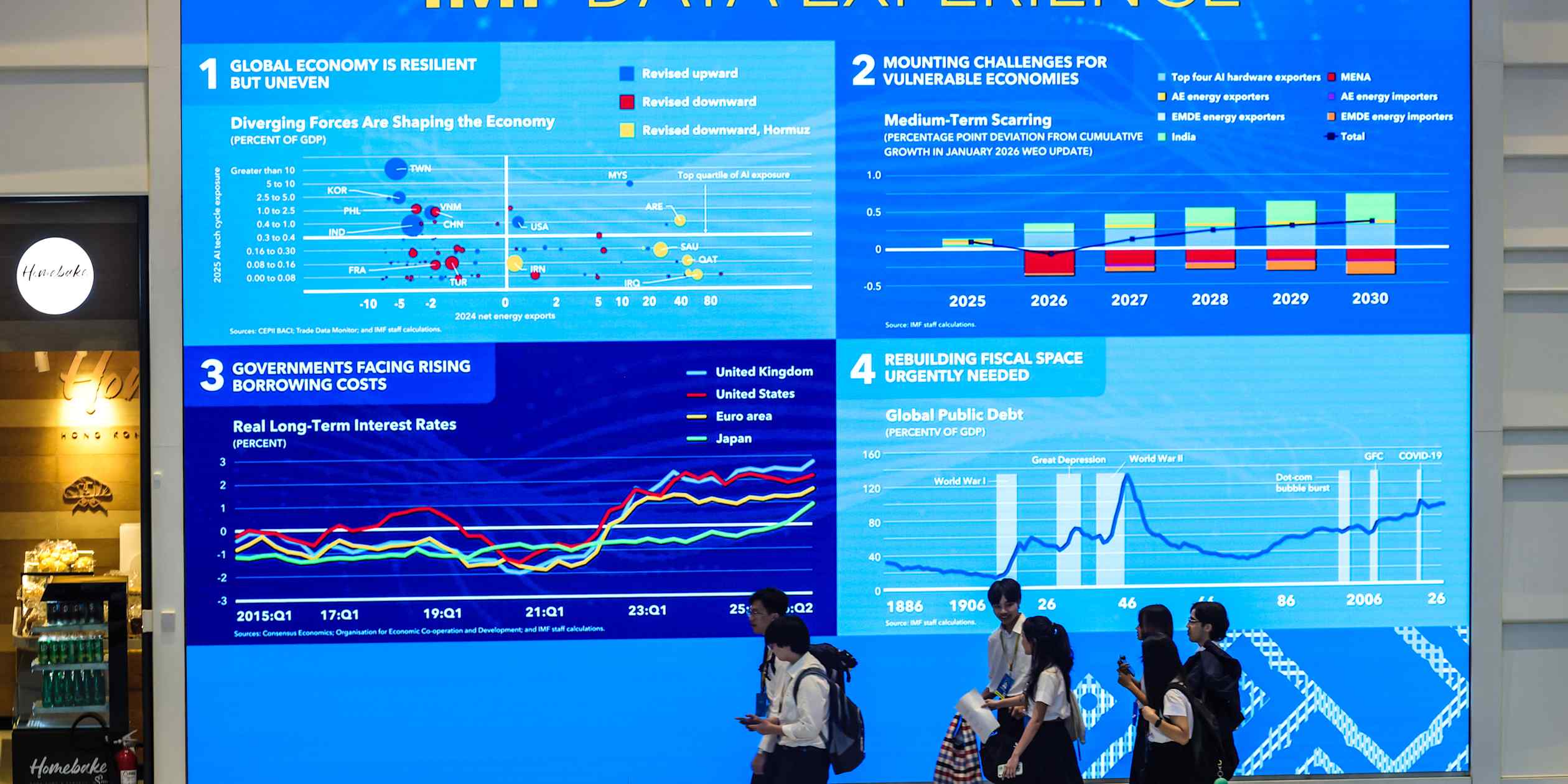
Asia's economic trajectory is increasingly fractured along technological and financial lines, with leading economies racing ahead in artificial intelligence capabilities while others struggle to attract climate-focused investment. The divergence reflects deeper structural inequalities in the region, where access to private capital, technical expertise, and institutional frameworks determines winners and losers in the transition to low-carbon, AI-driven economies.
Front-running Asian nations are leveraging substantial private capital inflows to build AI infrastructure and green technologies, positioning themselves as regional innovation hubs. Simultaneously, these countries are attracting international climate finance through credible policy frameworks and demonstrated implementation capacity. In contrast, smaller and less-developed economies face mounting difficulty in securing comparable investment, hampered by limited technical capacity, political uncertainty, and perceived higher investment risks.
The climate finance gap presents particular challenges for vulnerable Asian nations confronting intensifying environmental threats. While wealthy developed economies and regional leaders access concessional funding and private green investment, climate-exposed countries remain dependent on limited multilateral resources and struggle to mobilize domestic capital. This disparity threatens to deepen existing development inequalities across the region.
Analysts warn that without deliberate policy interventions to democratize technology access and ensure equitable climate finance distribution, Asia risks fragmenting into technological and economic tiers. Regional cooperation frameworks and targeted capacity-building initiatives will prove critical to preventing further divergence and ensuring shared prosperity across Asia's diverse economies.