World · World News Bureau
Asian economies retreat behind protectionist barriers amid global uncertainty
Countries across South and Southeast Asia are increasingly turning inward, adopting protectionist policies and building self-reliant economic models. The shift reflects growing concerns over global supply chain vulnerabilities and geopolitical tensions.
LSN World News ·
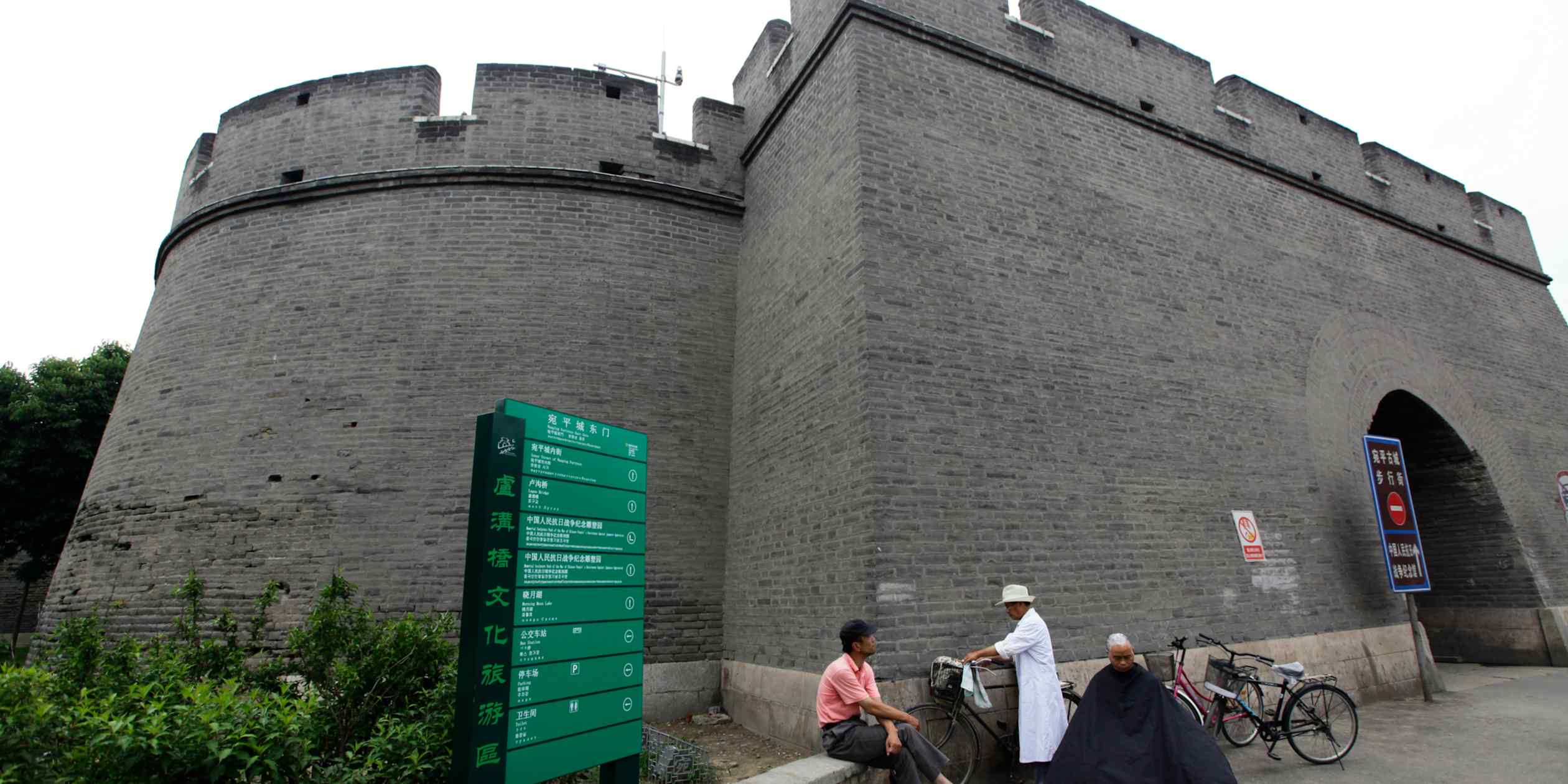
Several major Asian economies are reassessing their openness to international trade and investment, erecting new protective measures designed to shield domestic industries and reduce dependency on global markets. The movement marks a significant departure from decades of outward-focused economic liberalization that characterised the region's rapid development.
Governments across the region are implementing tariffs, import restrictions, and foreign investment curbs targeting key sectors including agriculture, technology, and manufacturing. Officials justify these measures as necessary safeguards against economic shocks, citing disruptions to international supply chains during the pandemic and ongoing geopolitical rivalries as catalysts for change.
The trend reflects broader strategic calculations among policymakers seeking to develop domestic capabilities in critical industries while reducing vulnerability to external pressures. Some nations are prioritizing agricultural self-sufficiency, while others focus on building indigenous technology sectors to decrease reliance on foreign expertise and components.
Economists caution that sustained protectionism could dampen regional growth and undermine the trade networks that have traditionally fueled prosperity across Asia. However, policymakers argue that fortress-like economic strategies represent pragmatic responses to an increasingly unstable world order, balancing the benefits of global integration against the risks of over-dependence.