Politics · India Bureau
Asian emerging markets face mounting LNG costs amid supply disruptions
Developing nations across Asia are grappling with a significant bill as Qatari liquefied natural gas supplies face constraints through the Strait of Hormuz, forcing them to seek costlier alternative energy sources.
LSN India ·
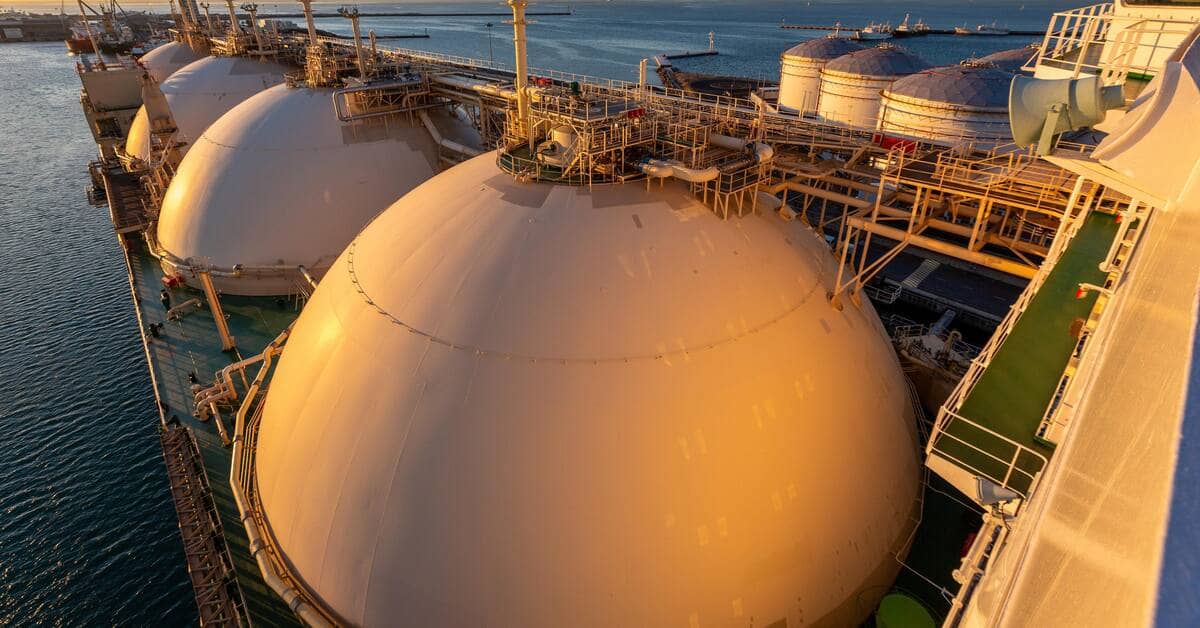
Emerging economies across South and Southeast Asia are confronting steep energy bills as disruptions to liquefied natural gas supplies have created fresh headwinds for the region's development agenda. The loss of Qatari LNG shipments transiting the Strait of Hormuz has triggered a cascade of supply challenges, pushing Asian nations to absorb expenditures estimated at approximately $7 billion as they scramble to secure alternative energy sources at elevated prices.
The supply constraints have prompted policymakers across the region to reassess their energy strategies, with several nations previously committed to expanding LNG imports now reconsidering the viability of such investments. Higher energy costs threaten to undermine economic growth projections and add pressure to already stretched government budgets in countries dependent on affordable liquefied gas for power generation and industrial applications.
The situation has intensified concerns about energy security in Asia, where demand for natural gas continues to rise alongside rapid industrialization and urbanization. Market analysts suggest that sustained supply disruptions could accelerate interest in alternative energy sources, including renewable capacity expansion and domestic coal reserves, though such transitions typically require substantial capital investment and time.
Government officials from affected nations have indicated they are exploring diplomatic channels to stabilize supplies while simultaneously expediting negotiations with other major LNG exporters including Australia and the United States. The episode underscores the vulnerability of Asia's energy infrastructure to geopolitical disruptions and the ongoing challenge of balancing cost considerations with supply reliability.