Business · Singapore Bureau
Asian factory momentum fades as geopolitical tensions cloud AI boom
Manufacturing growth across key Asian economies is losing pace as escalating US-Iran tensions threaten to undermine gains from artificial intelligence adoption. Regional factories face headwinds from both supply chain disruptions and weakening global demand.
LSN Singapore ·
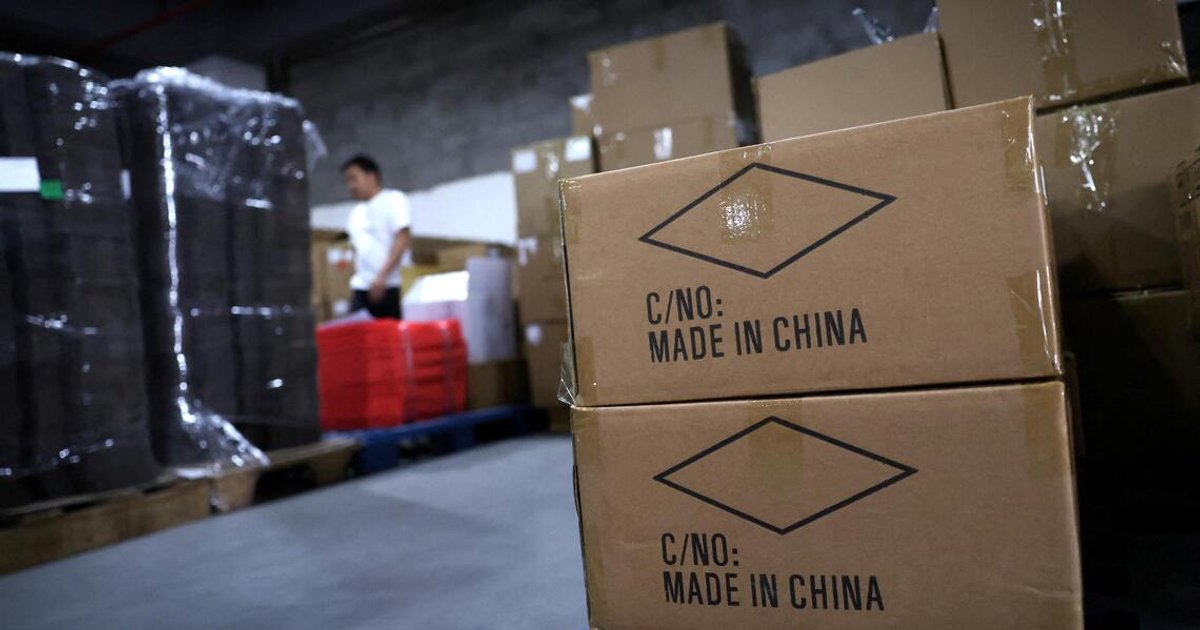
Factory activity across Asia is showing signs of deceleration, with several major economies reporting slower production growth in recent months. While artificial intelligence integration has provided a temporary boost to manufacturing efficiency and output, the impact is being offset by mounting geopolitical risks that are reshaping global trade dynamics.
The US-Iran conflict has emerged as a significant concern for regional manufacturers, who face potential disruptions to shipping routes, volatile energy prices, and broader economic uncertainty. These factors are compounding challenges already posed by shifting consumer demand and competitive pressures in key export markets.
Economists note that the slowdown reflects a broader pattern across Asia's manufacturing heartland, where growth forecasts have been revised downward. While technology investments continue, businesses are adopting a more cautious stance on expansion plans amid geopolitical instability and the unresolved question of how AI gains will translate into sustained profitability.
Regional policymakers are monitoring the situation closely as manufacturing remains central to economic growth across Southeast and South Asia. The coming months will be critical in determining whether current headwinds prove temporary or signal a more prolonged period of softer industrial activity.