World · India Bureau
Asian invasive plant threatens California ecosystems, exacerbates wildfire risk
Giant reed, introduced to California nearly two centuries ago for erosion control, has become a destructive invasive species that displaces native plants and significantly increases wildfire fuel loads across the region.
LSN India ·
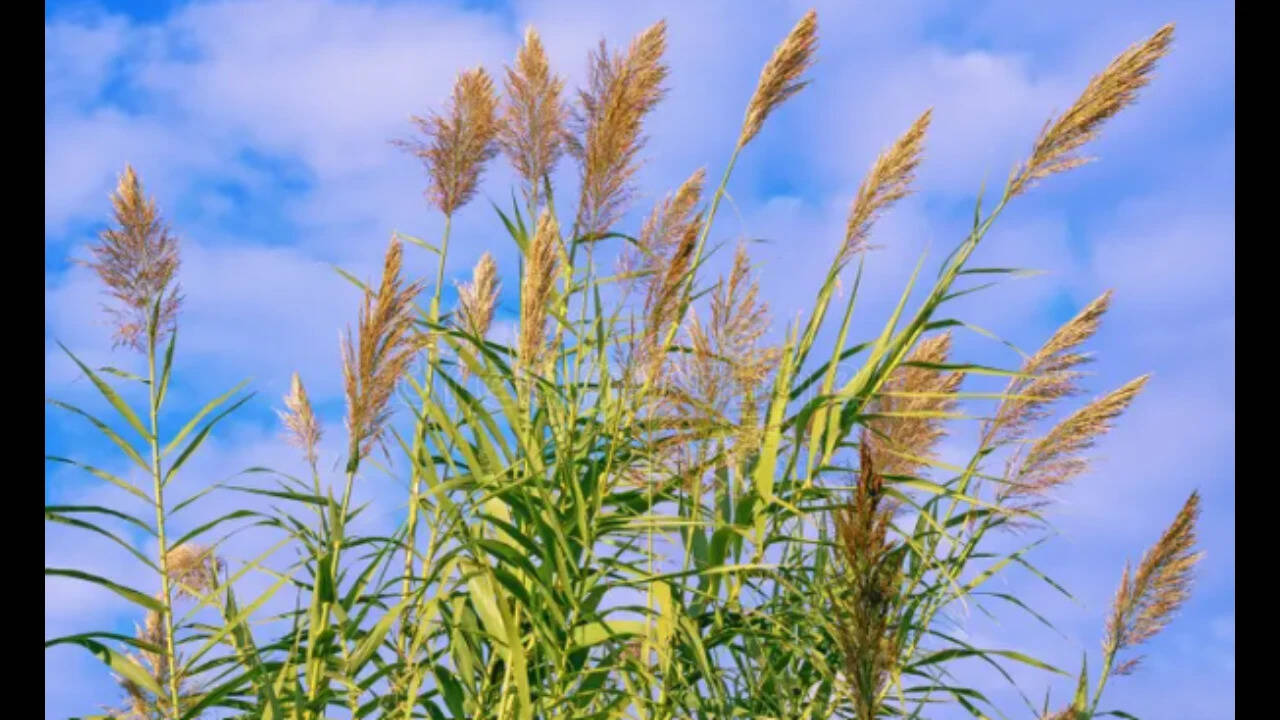
Giant reed, a fast-growing plant species native to eastern Asia, has emerged as a major ecological threat in California after being introduced in the 1820s for roofing material and erosion control purposes. The plant, scientifically known as Arundo donax, now dominates vast stretches of the state's waterways and riparian zones, forming dense monoculture stands that choke out native vegetation.
The invasion has created significant environmental challenges across Southern California's Santa Ana River Basin and beyond. Dense arundo infestations have nearly tripled fire fuel loads in affected areas, transforming once-manageable landscapes into tinderboxes primed for catastrophic wildfires. The plant's rapid growth rate and resilience to harsh conditions make it particularly difficult to control once established.
Beyond wildfire risks, the invasive reed poses additional threats to regional water resources and biodiversity. The plant's extensive root systems and dense canopy consume disproportionate amounts of water, exacerbating stress on already-strained water supplies in arid regions. Native species that depend on riparian habitats have seen their populations decline dramatically as arundo establishes dominance.
Management efforts to control the invasive species have proven challenging and resource-intensive. Agencies across the region continue to grapple with containment strategies, balancing the need for aggressive removal with concerns about ecological disruption and costs. The case underscores the long-term consequences of introducing non-native species, even with initially beneficial intentions.