Business · India Bureau
Asian lady beetles, introduced for pest control, become ecological menace
What began as a biological control measure in the United States has backfired, as multicoloured Asian lady beetles have turned into an invasive species that outcompetes native ladybugs and disrupts local ecosystems.
LSN India ·
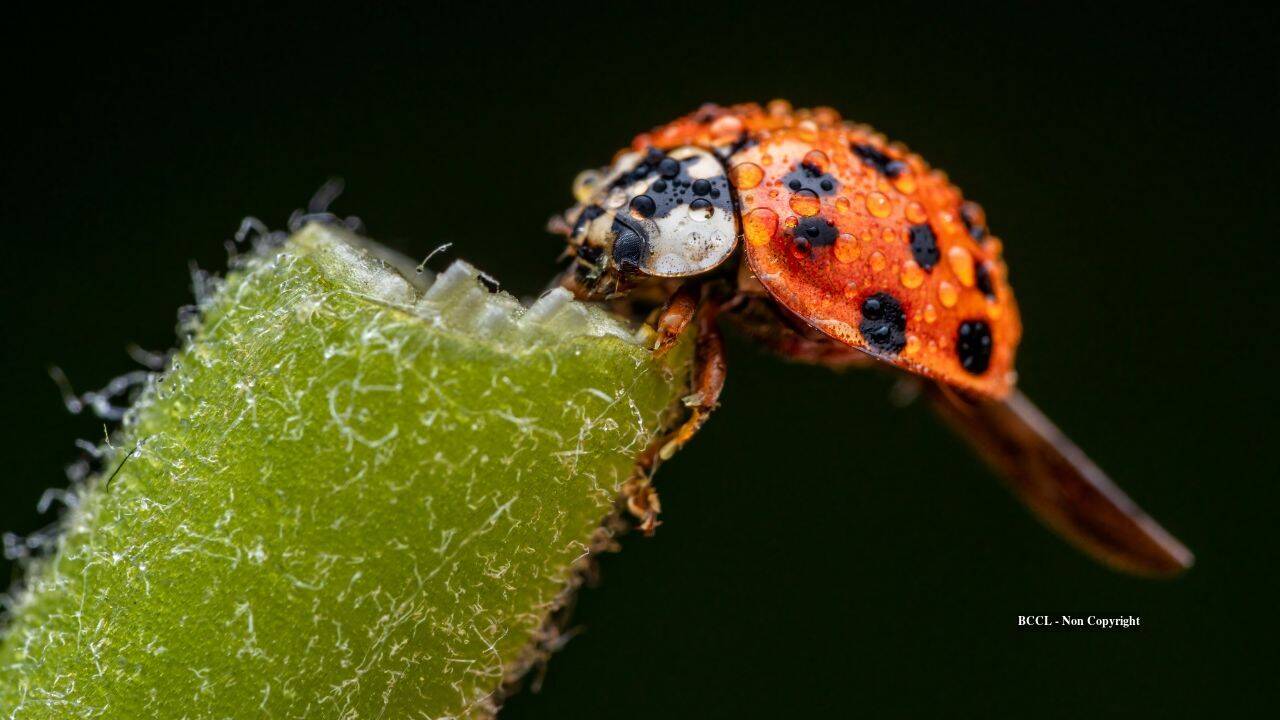
The multicoloured Asian lady beetle, scientifically known as Harmonia axyridis, was deliberately introduced into the United States decades ago as a solution to manage aphid populations through biological pest control. The strategy initially appeared sound—the beetles were effective at controlling agricultural pests. However, the introduction has since emerged as a cautionary example of unintended ecological consequences.
Once established in North American ecosystems, the Asian lady beetle proved far more competitive than anticipated. The species now outcompetes native ladybug species for food and habitat, fundamentally altering local ecological balances. Researchers have documented significant declines in native ladybug populations in areas where the Asian beetles have become established, raising concerns about broader ecosystem disruption.
The problems extend beyond the natural environment into human spaces. As autumn approaches, large populations of adult Asian lady beetles seek shelter in buildings and homes, creating a widespread nuisance for residents. The seasonal invasion of homes by thousands of beetles has become a recurring issue across affected regions.
The Asian lady beetle case has become a textbook example of the risks inherent in introducing non-native species into established environments, even with well-intentioned biological control objectives. Scientists and environmental managers now emphasise the importance of rigorous ecological assessment before implementing such interventions, highlighting the complex and often unpredictable consequences of disrupting natural ecological relationships.