World · World News Bureau
Asian nations boost energy storage amid Middle East supply concerns
Countries across South and Southeast Asia are expanding oil and gas storage infrastructure to insulate themselves from potential disruptions to critical shipping lanes. The push reflects growing anxiety about geopolitical risks threatening energy supplies from the Middle East.
LSN World News ·
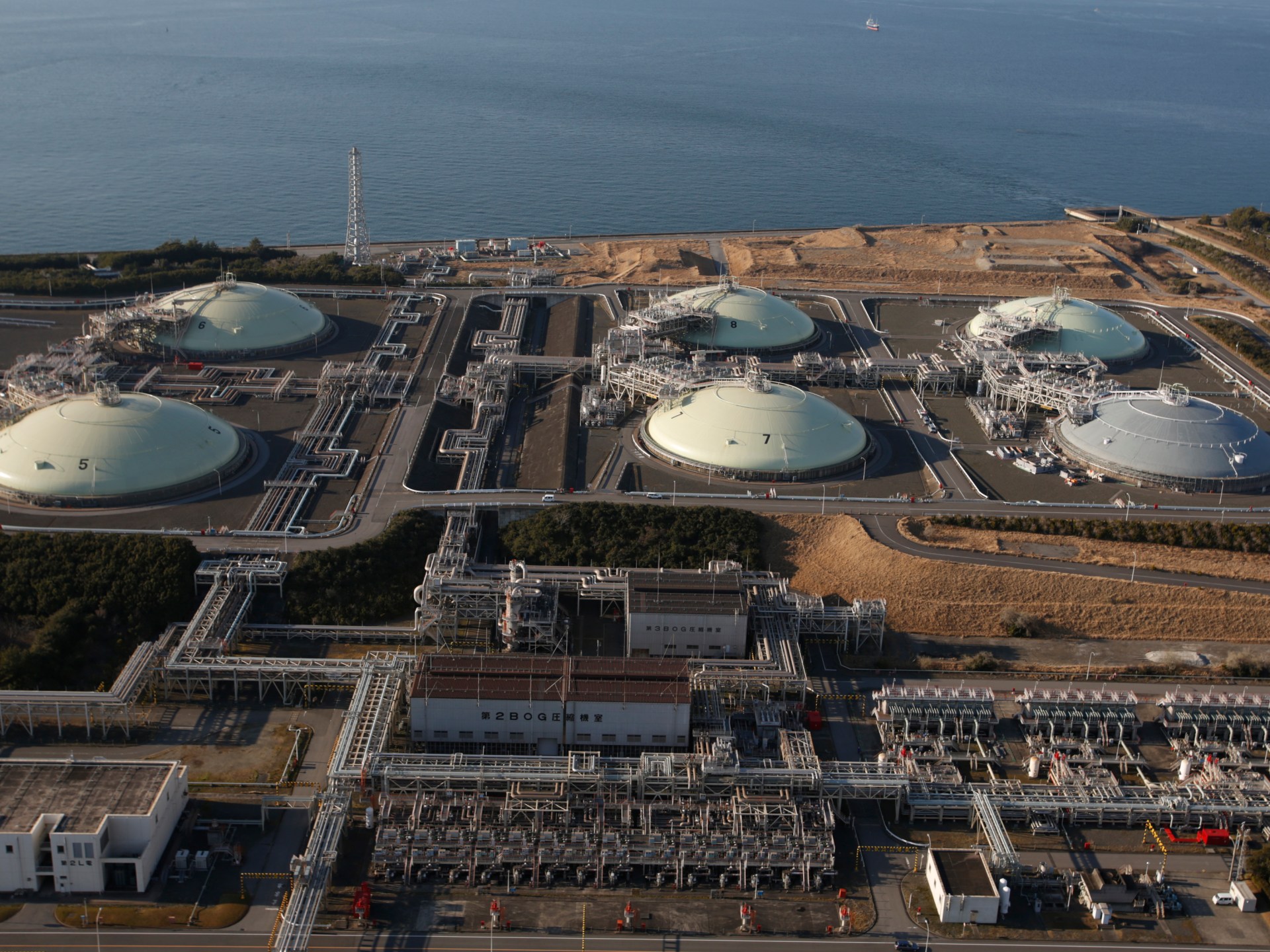
Asian economies dependent on imported petroleum are moving to establish larger strategic reserves and storage facilities within their own territories, seeking to reduce vulnerability to supply shocks originating in the Middle East. The initiative represents a significant shift in regional energy policy, with governments and private operators investing in tank farms, liquefied natural gas terminals, and underground storage caverns.
The Strait of Hormuz, through which roughly one-third of global seaborne petroleum trade passes, has emerged as a particular flashpoint in recent years. Tensions in the region have prompted policymakers across Asia to reconsider their reliance on just-in-time energy imports and extended supply chains.
India, China, Japan, and South Korea are among the nations prioritizing expanded storage capacity. Some countries are also exploring alternative suppliers in Central Asia and the Eastern Mediterranean to diversify their energy portfolios beyond traditional Middle Eastern sources.
Energy analysts note that while increased storage requires substantial capital investment and carries its own risks, the insurance value for import-dependent economies may justify the expenditure. Regional cooperation on energy infrastructure has also gained attention as governments seek economies of scale and shared facilities.