World · Vietnam Bureau
Asian transit hub earns global recognition for public transport excellence
A major Asian metropolitan area has emerged as a model for urban mobility, combining efficient rail networks, comprehensive bus systems and seamless connectivity to set international benchmarks for public transportation.
LSN Vietnam ·
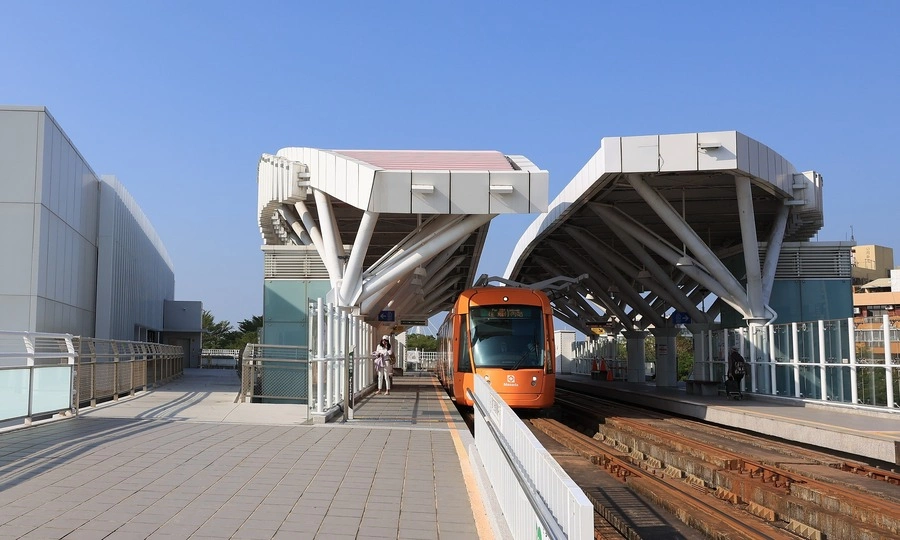
The city's integrated transport infrastructure has positioned it as a leading example of urban transit planning, drawing attention from cities worldwide seeking to improve their own mobility systems. The success stems from coordinated investment in multiple transportation modes, creating a network that enables residents and visitors to navigate the sprawling metropolis with relative ease.
Rail systems form the backbone of the transport network, with extensive metro and commuter rail lines connecting major districts and surrounding areas. These rail services operate with high frequency and reliability, complemented by a comprehensive bus network that fills gaps in coverage and provides last-mile connectivity to residential neighborhoods.
The city's approach to urban connectivity extends beyond individual transport modes. Integrated ticketing systems, real-time information platforms and coordinated scheduling between different operators have reduced friction in the passenger experience. Infrastructure investments have prioritized pedestrian and bicycle access at transit hubs, encouraging multimodal journeys.
Transport planners and officials from other Asian cities have increasingly looked to this metropolitan area as a reference point for sustainable urban mobility. The model demonstrates how strategic planning and sustained investment in public transit can reduce traffic congestion, lower emissions and improve quality of life across densely populated urban centers.