World · Singapore Bureau
Asian universities bridge gap between laboratory innovation and market demand
Research institutions across South and Southeast Asia are increasingly translating academic discoveries into commercially viable products and services. The shift reflects growing recognition that scientific breakthroughs require strategic pathways to reach consumers and solve real-world problems.
LSN Singapore ·
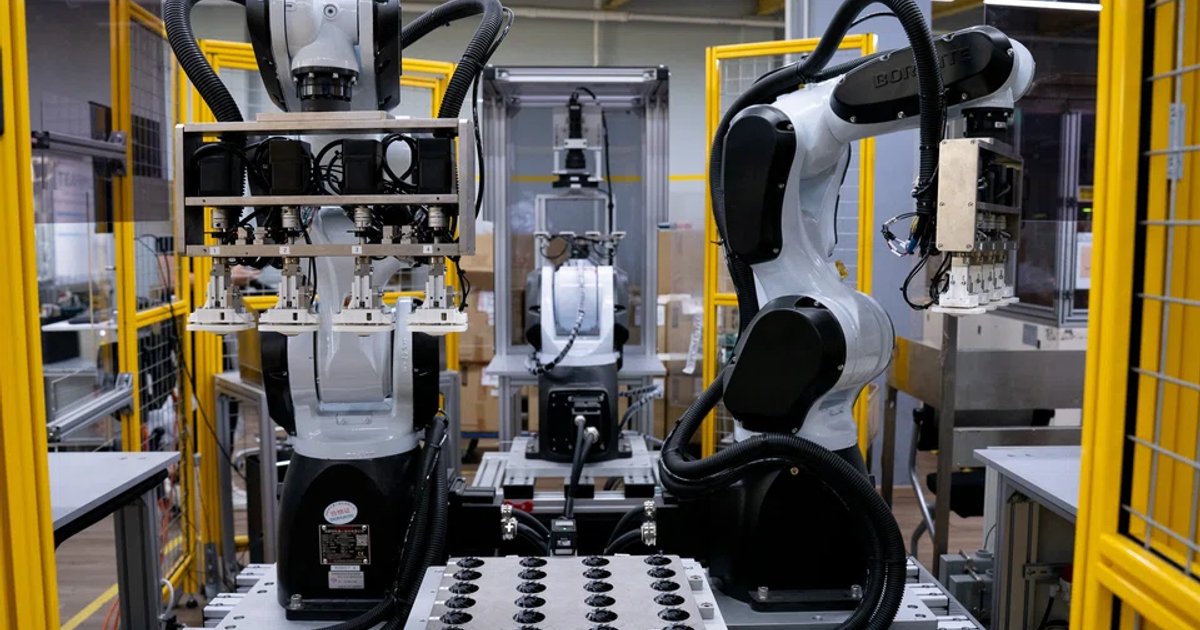
Universities and research centers throughout the region are establishing technology transfer offices, innovation hubs, and commercialization programs to move promising discoveries from the laboratory to the marketplace. This institutional shift addresses a persistent challenge where significant research investments have historically failed to generate economic returns or address societal needs effectively.
The transition involves multiple stakeholders, including government agencies, private sector investors, and academic institutions working in closer collaboration. Universities are increasingly training researchers in entrepreneurship and business fundamentals, while establishing clearer intellectual property frameworks and funding mechanisms to support early-stage ventures.
Singapore and other regional innovation hubs have positioned themselves as exemplars of this approach, creating ecosystems where researchers can access mentorship, capital, and technical resources necessary to develop proof-of-concepts into scalable solutions. Success stories in biotechnology, artificial intelligence, and sustainable manufacturing demonstrate the viability of converting academic research into products that serve both commercial and humanitarian purposes.
The commercialization pipeline remains incomplete in many institutions, however, with gaps persisting between proof-of-concept stages and full market deployment. Industry experts suggest that sustained investment in infrastructure, clearer regulatory pathways, and incentive structures are essential to fully unlock the economic potential of the region's substantial research capabilities.