Culture & Entertainment · India Bureau
Asteroid that killed dinosaurs may have enabled ants' global dominance
Scientists have discovered that jumping genes in ant DNA may have accelerated their evolution following the mass extinction event 66 million years ago. The genetic mutations enhanced ants' sensory and social abilities, giving them a crucial advantage in colonizing diverse environments across the planet.
LSN India ·
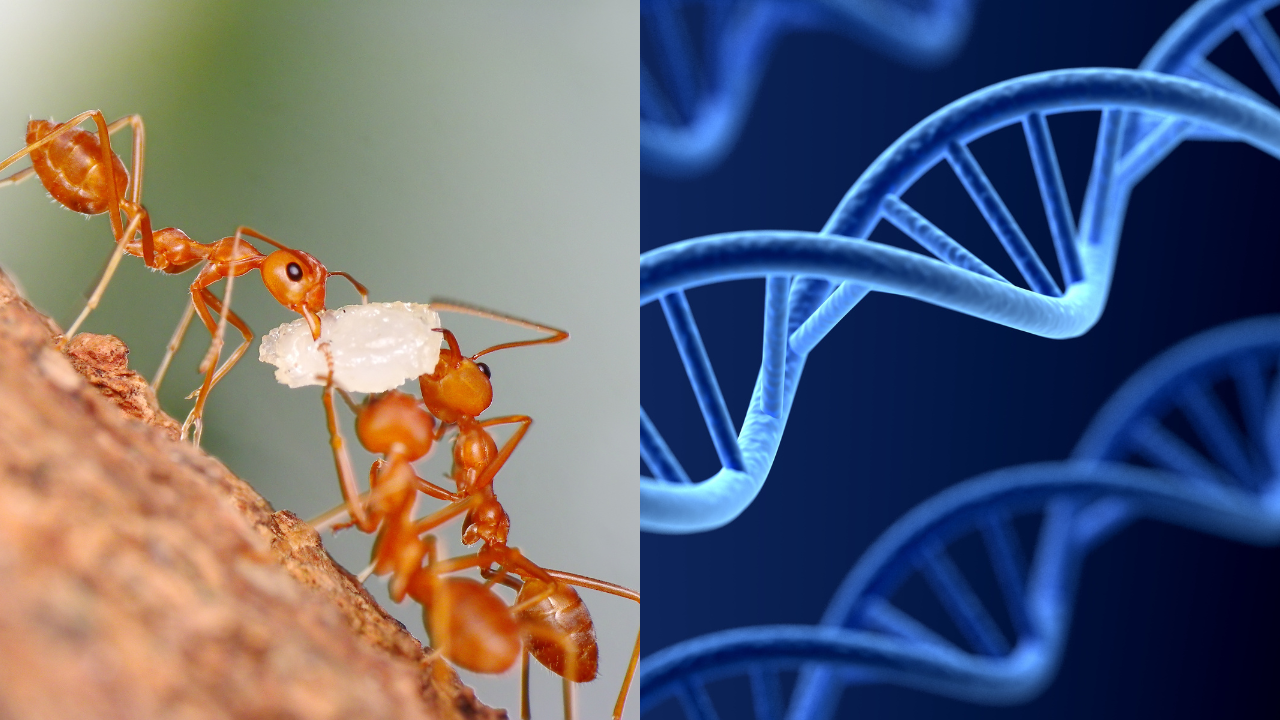
Research led by Dr. Lukas Schrader reveals a surprising connection between the asteroid impact that wiped out dinosaurs and the subsequent rise of ants as one of Earth's most successful animal groups. With over 15,000 species now recognized globally, ants have become dominant across nearly every terrestrial ecosystem, a transformation that may have been catalysed by ancient genetic shifts.
The study focuses on transposable elements, commonly known as jumping genes, which are DNA sequences capable of moving around within an organism's genome. During the early Paleogene period, immediately following the extinction of dinosaurs, ants experienced significant surges in these mobile genetic elements, according to the research findings.
These jumping genes appear to have activated changes that enhanced ants' olfactory receptors—their ability to smell—and strengthened their social communication capabilities. Such genetic advantages would have been instrumental for ants' survival and expansion into ecological niches left vacant by extinct species.
With improved sensory perception and more sophisticated chemical signalling systems, ants became better equipped to coordinate group behaviour, locate food sources, and adapt to varied environments. The combination of favourable conditions created by mass extinction and timely genetic innovations positioned ants to flourish and ultimately establish themselves as among the most abundant and ecologically important creatures on Earth today.