World · India Bureau
August brings food scarcity for honeybees despite warm summer weather
As summer reaches its peak, honeybee colonies face a critical food shortage during August, a phenomenon that threatens hive health and productivity across regions. The midsummer dearth forces beekeepers to take preventive measures to ensure colony survival.
LSN India ·
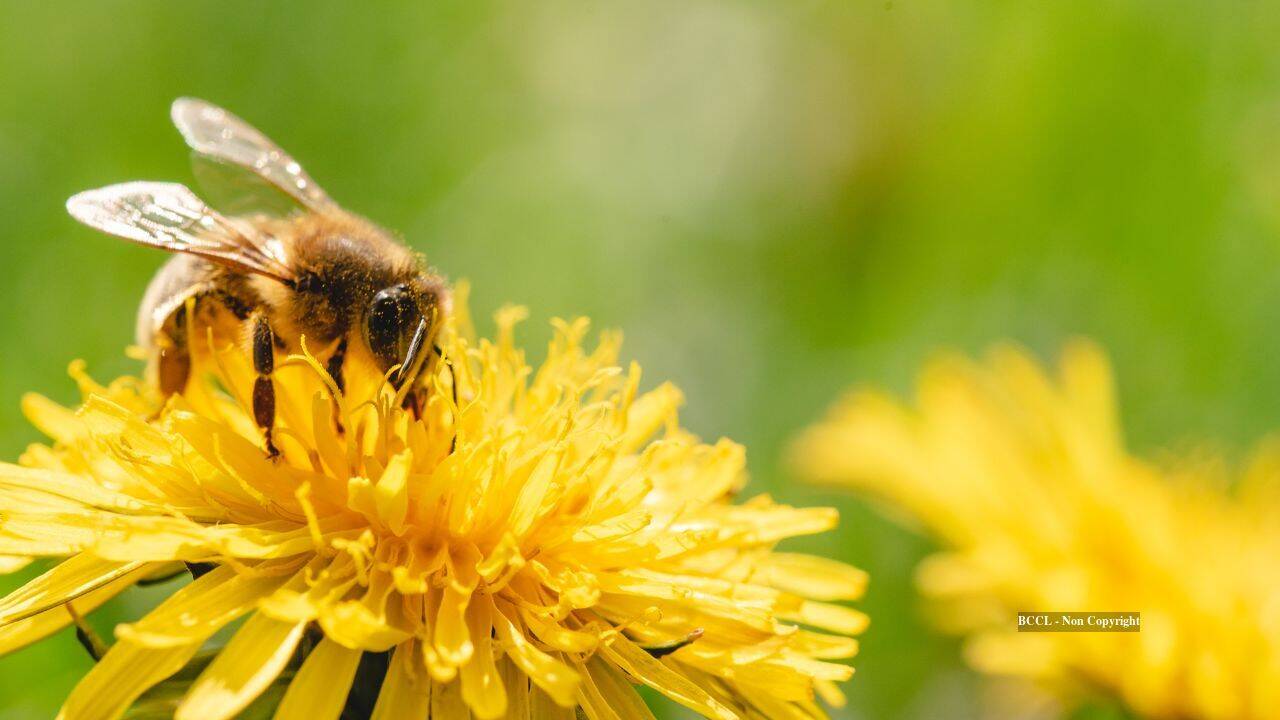
August presents a paradoxical challenge for honeybees and beekeepers across South Asia, with colonies struggling to find adequate forage despite warm temperatures and seemingly abundant conditions. The phenomenon, known as the midsummer dearth, occurs when flowering plants enter dormancy before autumn blooms emerge, leaving foraging bees with limited nectar and pollen sources.
During this critical period, bee colonies that have thrived through spring and early summer suddenly face nutritional stress. Worker bees expend significant energy maintaining expanded populations, while food reserves dwindle rapidly. Without adequate forage, colonies become vulnerable to colony collapse, disease susceptibility, and reduced honey production.
Beekeepers must actively manage colonies through the lean August period to prevent starvation. Common strategies include supplemental feeding with sugar water or fondant, reducing hive space to prevent overextension, and monitoring colony strength. Some practitioners also strategically plant late-blooming flowers to bridge the gap between summer and autumn flowering seasons.
Regional variations in climate and vegetation patterns mean the timing and severity of the midsummer dearth fluctuates across different areas. Beekeepers familiar with local ecology can better predict and prepare for August shortages, ensuring their colonies emerge healthy and productive when autumn flowers finally bloom. Understanding this seasonal challenge remains essential for sustainable beekeeping practices throughout the region.