Business · World News Bureau
Australia caught between China security fears and economic ties
Australia faces mounting pressure as it balances growing military concerns about Beijing with its heavy dependence on Chinese trade. The contradiction underscores the geopolitical challenges facing the country amid intensifying great power competition in the Indo-Pacific region.
LSN World News ·
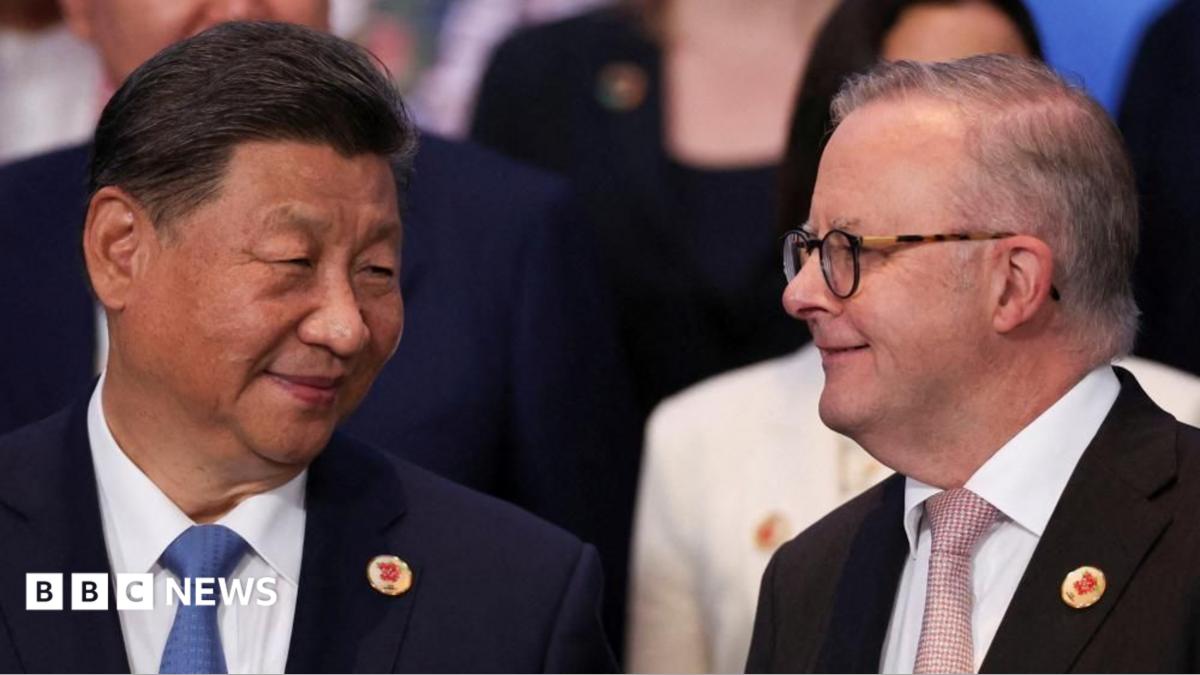
Australia's strategic position has grown increasingly precarious as it grapples with competing pressures from its two most consequential international relationships. While defence officials and policymakers express deepening concerns over China's military expansion and regional assertiveness, Beijing remains Australia's largest trading partner, accounting for a significant portion of export revenues vital to the national economy.
This dilemma reflects broader tensions rippling across the Asia-Pacific as countries struggle to calibrate their responses to shifting power dynamics. Australia's security establishment has intensified warnings about China's military modernisation and capabilities, citing concerns over regional stability and freedom of navigation. Simultaneously, Australian industries—particularly mining, agriculture, and education—maintain substantial commercial interests in the Chinese market.
The contradiction has created difficult policy decisions for Canberra. Officials must weigh alliance commitments and security partnerships with Western nations against economic imperatives that bind the country to Beijing. Recent years have seen Australia adopt a more cautious diplomatic posture, attempting to avoid actions that might provoke Chinese economic retaliation while signalling security concerns to regional and Western allies.
Analysts suggest Australia's strategic vulnerability stems partly from its economic concentration risk. The heavy reliance on Chinese demand for raw materials has historically limited Australia's capacity to take independent positions on contentious geopolitical issues. As great power competition intensifies, finding sustainable equilibrium between these competing interests remains one of Australia's most complex foreign policy challenges.