World · Sri Lanka Bureau
Australia detects first H5N1 bird flu case in native mammal
Australian health authorities have confirmed the nation's first detection of the H5N1 avian influenza virus in a wild mammal, marking a significant development in the spread of the highly pathogenic strain. The discovery raises fresh concerns about the virus's ability to jump between species in the region.
LSN Sri Lanka ·
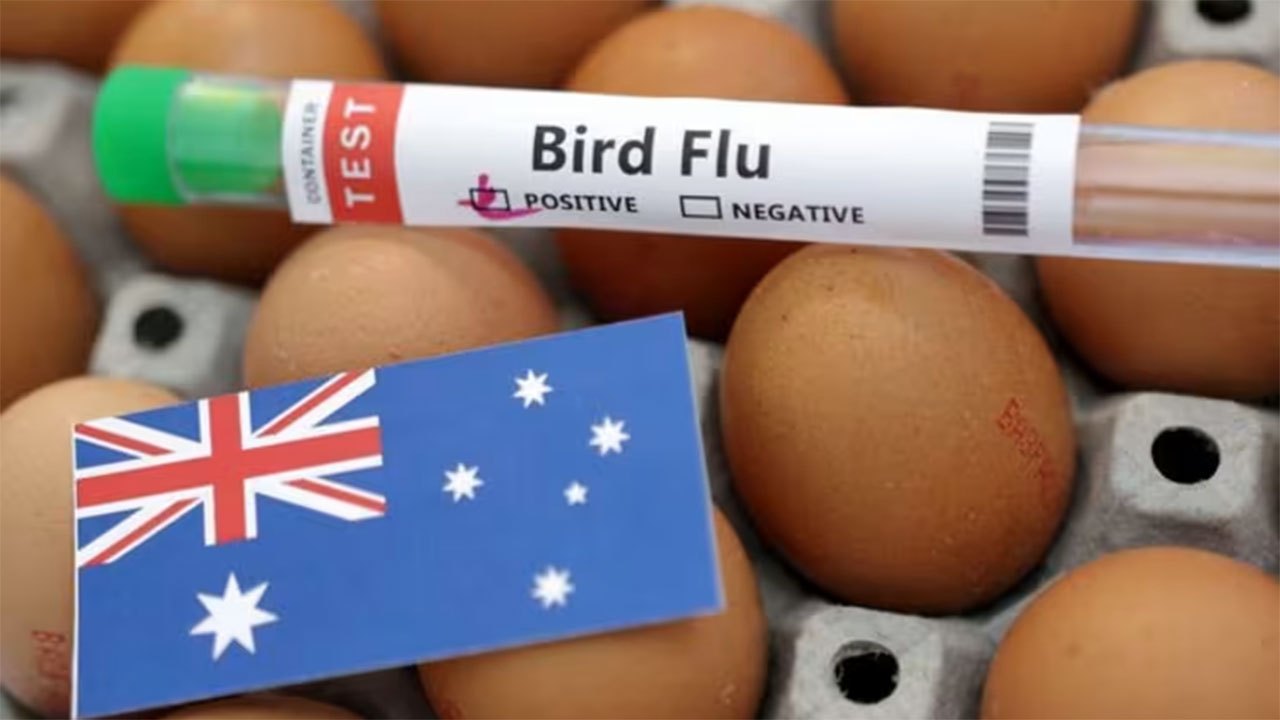
Australia's Department of Agriculture and Water Resources confirmed the H5N1 detection in a native mammal on Wednesday, signalling a noteworthy escalation in the virus's geographic and species range. The case represents the first time the deadly avian flu strain has been identified in an Australian mammal in the wild, according to officials.
H5N1 has circulated globally for two decades, primarily affecting bird populations, but recent years have seen an increasing number of mammalian infections across multiple continents. The virus has demonstrated a concerning ability to adapt to new hosts, raising biosecurity concerns among regional health authorities.
Australian officials have initiated an investigation into the source and extent of the infection. Preliminary assessments suggest the mammal likely contracted the virus through exposure to infected birds, though further epidemiological studies are underway to confirm transmission pathways.
The discovery comes amid broader monitoring efforts across the Asia-Pacific region, where H5N1 outbreaks in poultry have prompted heightened surveillance protocols. Health authorities across South and Southeast Asia have been urged to increase vigilance for similar cases in their respective territories and to strengthen biosecurity measures at farms and wildlife sanctuaries.