World · Singapore Bureau
Australia's home battery surge strains grid as owners resist sharing power
A rapid expansion of residential battery storage systems is transforming Australia's electricity network, yet homeowners remain reluctant to allow utilities access to their costly installations. The reluctance to participate in grid-sharing schemes threatens efforts to optimise energy distribution and reduce peak demand.
LSN Singapore ·
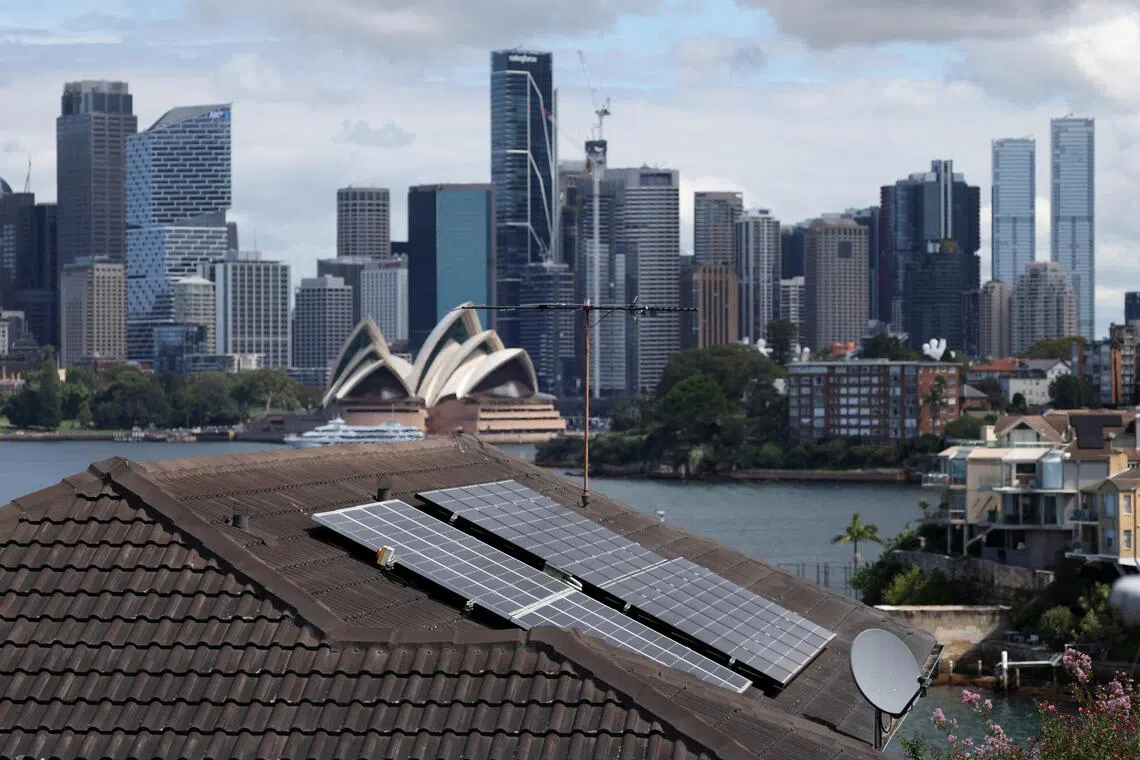
Australia's residential battery sector has experienced explosive growth, with thousands of homeowners installing storage systems to manage their energy consumption and reduce reliance on grid power. However, utility companies and grid operators face a significant challenge: convincing residents to grant utilities control over their batteries during peak demand periods.
The core issue centres on ownership and control. Most homeowners view their battery systems as personal assets in which they have invested substantial capital, making them hesitant to cede operational control to energy providers. This protective stance complicates efforts by network operators to tap into distributed battery resources that could theoretically help stabilise the grid during periods of high demand.
Utility companies see residential batteries as a potential solution to managing grid stress, particularly as renewable energy generation becomes increasingly intermittent. By aggregating the storage capacity across thousands of homes, operators could theoretically balance supply and demand more effectively. Yet without widespread participation, these benefits remain largely unrealised.
The tension reflects a broader challenge in Australia's energy transition: aligning the interests of individual consumers with systemic grid requirements. As the nation continues deploying renewable energy sources and residential battery storage accelerates, reconciling these competing priorities will be essential to maintaining grid reliability and maximising the efficiency of the country's evolving electricity infrastructure.