World · India Bureau
Australia's plastic railway sleepers offer 50-year durability alternative
Australian engineers have successfully converted waste plastic into railway sleepers that can remain in service for up to five decades, presenting a sustainable solution to both plastic waste management and rail infrastructure development.
LSN India ·
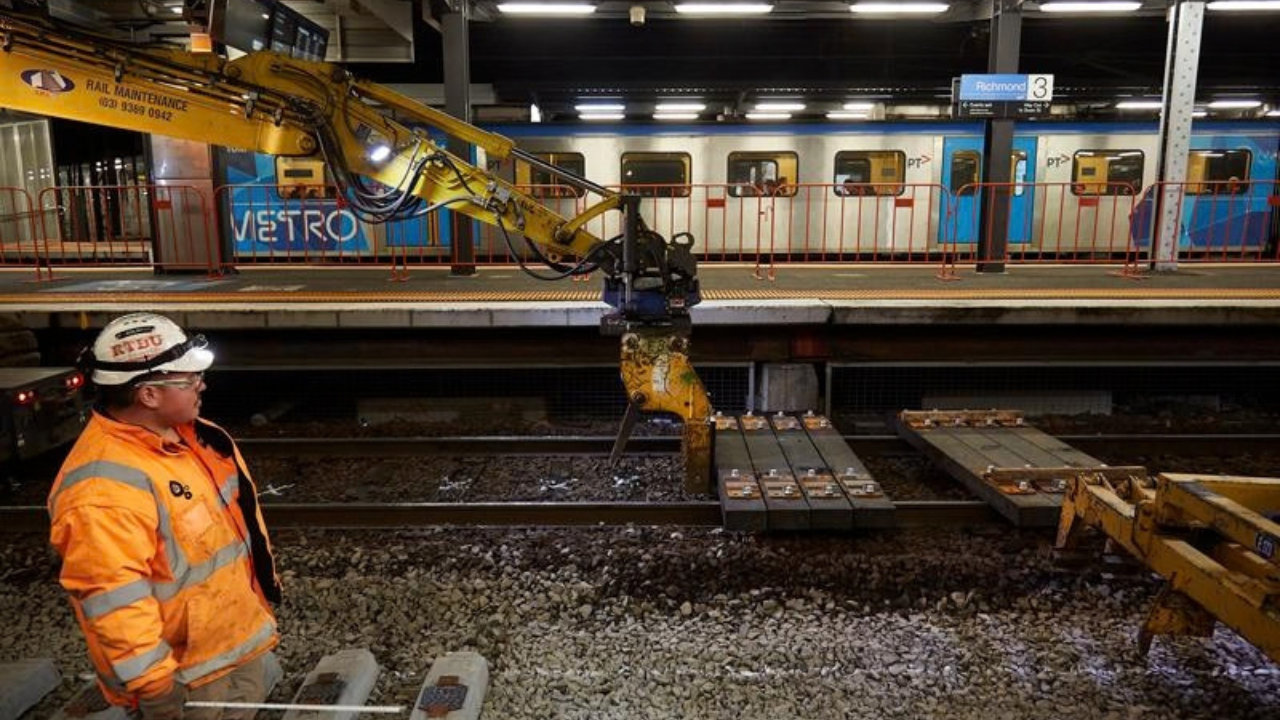
Since 2015, Australia has pioneered the conversion of discarded plastic into durable railway sleepers, demonstrating the viability of recycling plastic waste for critical infrastructure applications. The innovation transforms plastic that would otherwise occupy landfill space into structural components capable of withstanding the demanding conditions of railway operations.
The plastic sleepers offer significant advantages over traditional timber alternatives commonly used in rail networks. With an expected lifespan of approximately 50 years, they require minimal maintenance while providing comparable or superior performance in terms of load-bearing capacity and resistance to environmental degradation. This extended service life reduces the frequency of replacement cycles and associated maintenance costs.
The development reflects growing interest across the Asia-Pacific region in sustainable infrastructure solutions. As countries including India continue expanding rail networks and upgrading existing infrastructure, such innovations offer pathways to address mounting plastic waste challenges while simultaneously meeting transportation development goals. The Australian model demonstrates that circular economy principles can be effectively applied to large-scale infrastructure projects.
The adoption of recycled plastic sleepers also reduces reliance on virgin materials and the environmental impacts associated with their extraction and processing. As rail networks across South and Southeast Asia seek cost-effective and environmentally responsible infrastructure solutions, technologies converting waste plastics into long-lasting railway components represent a promising avenue for sustainable development.