World · India Bureau
Australian bushfires reshape honey production patterns on Kangaroo Island
A comprehensive analysis of 120 honey samples from Australia's Kangaroo Island reveals how the devastating 2019-20 Black Summer bushfires altered floral landscapes and honey production. The study shows significant shifts in honey varieties and emerging new floral sources as local honeybee populations adapt to the changed environment.
LSN India ·
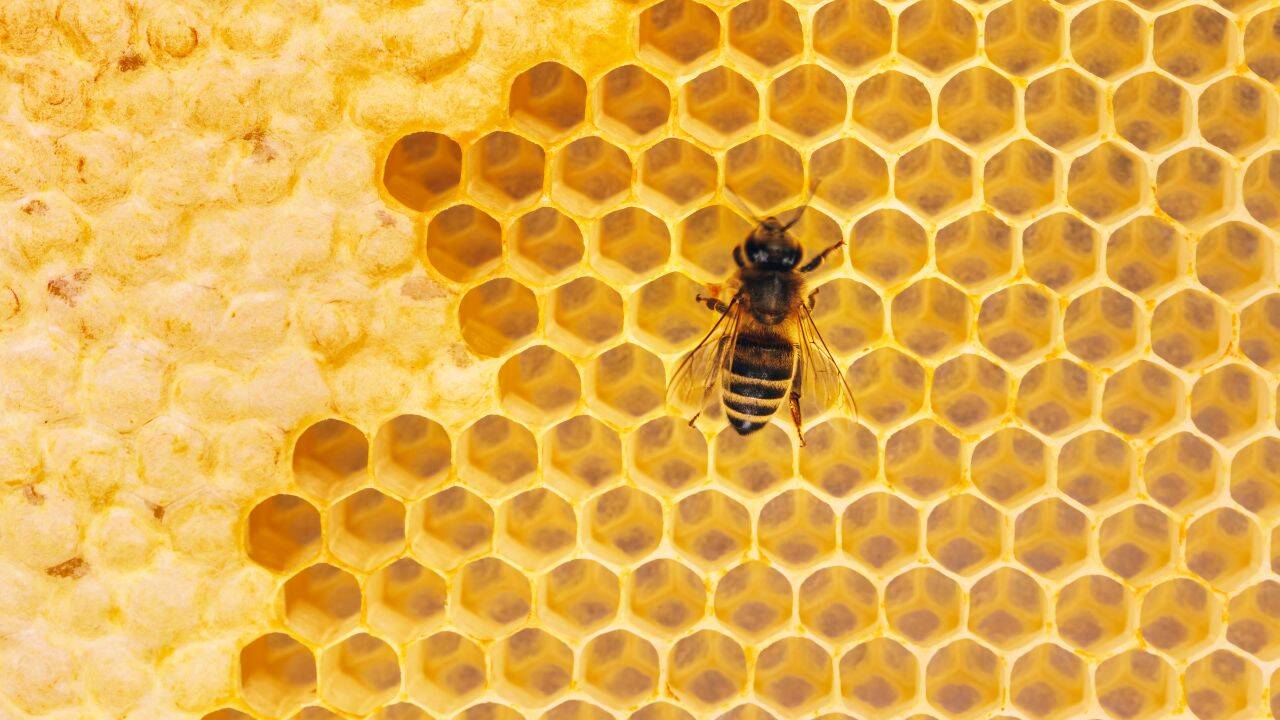
Researchers examining honey samples from Kangaroo Island have documented substantial changes in honey production following the Black Summer bushfires, which burned nearly half the South Australian island during the 2019-20 season. Through detailed chemical analysis of 120 honey samples, scientists tracked shifts in honey composition that reflect the transformation of the local ecosystem in the fire's aftermath.
The study revealed a marked decline in certain established honey varieties that relied on plant species affected by the fires. This reduction appears directly linked to the destruction of specific flowering plants that traditionally provided the primary nectar sources for the island's honeybee populations.
Simultaneously, the research documented the emergence of new honey groups, indicating that bees have begun exploiting alternative floral resources in the recovering landscape. Chemical evaluations suggest honeybee colonies are increasingly diversifying their foraging patterns, drawing nectar from plant species that have flourished in the post-fire environment or spread into areas previously occupied by burnt vegetation.
The findings underscore the ecological resilience of both plant and insect communities on Kangaroo Island, demonstrating how pollinator populations can adapt to dramatically altered landscapes. As the island continues its recovery, ongoing monitoring of honey composition may provide valuable insights into ecosystem restoration and the long-term impacts of large-scale bushfires on agricultural and natural systems.