World · India Bureau
Australian copper town's fortunes reversed by 1918 cyclone damage
The Queensland town of Kuridala experienced significant economic decline after a devastating cyclone in 1918 destroyed its crucial smelting infrastructure. The disaster marked a turning point in the fortunes of the once-thriving mining community.
LSN India ·
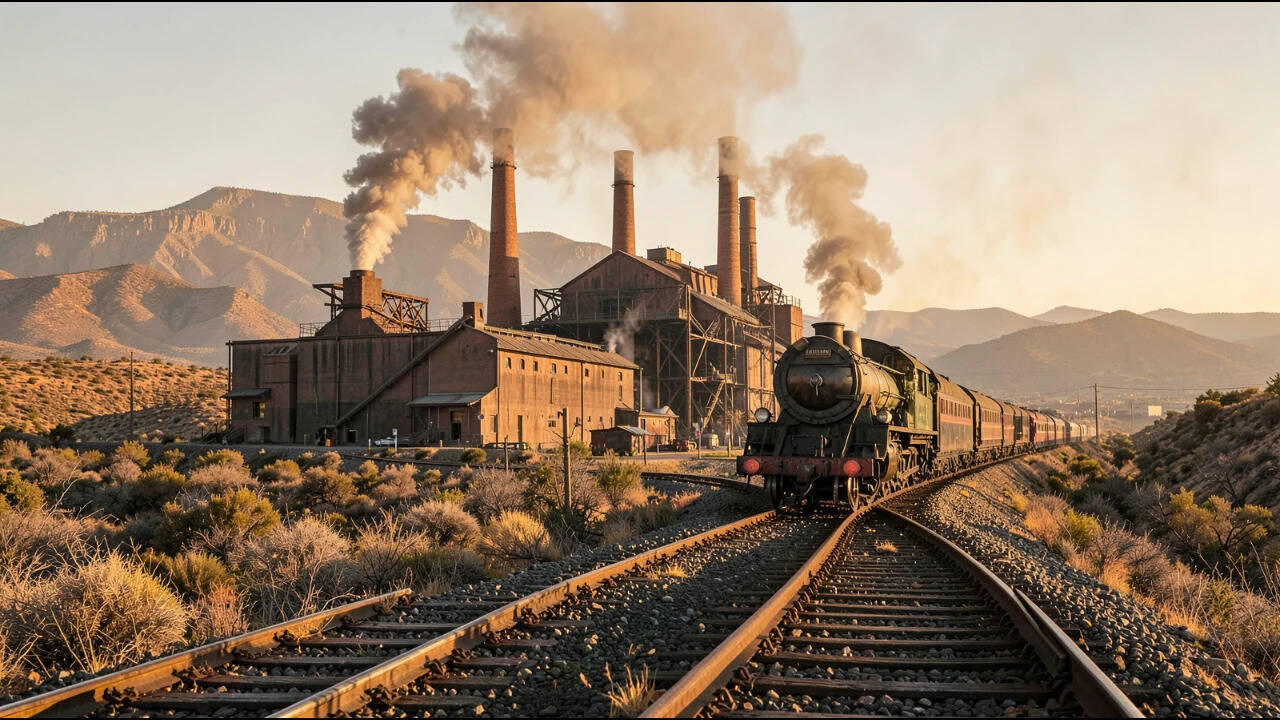
Kuridala, a copper mining town in Queensland, Australia, saw its prosperity sharply curtailed following a major cyclone that struck the region in 1918. The natural disaster inflicted severe damage on the town's smelting facility, a cornerstone of its industrial economy and primary employer for residents.
The smelter's destruction dealt a blow from which the community struggled to recover. As copper production capabilities were severely hampered, the town's economy contracted substantially, prompting an exodus of workers and businesses seeking opportunities elsewhere. The incident underscored the vulnerability of remote mining communities to environmental hazards.
Historical records indicate that Kuridala's decline following the cyclone reflected broader challenges facing Australian mining towns dependent on single-industry infrastructure. The inability to quickly rebuild and restore full smelting operations left the town unable to compete with other copper-producing regions. This period marked a transition from Kuridala's position as a significant regional mining hub to a diminished settlement.