Business · Singapore Bureau
Australian developer's collapse exposes buyer risks in market downturn
The failure of Australian residential developer Bathla has exposed significant vulnerabilities for property buyers when corporate failures coincide with market corrections. The collapse highlights gaps in buyer protection mechanisms and warns of broader systemic risks in residential property investment.
LSN Singapore ·
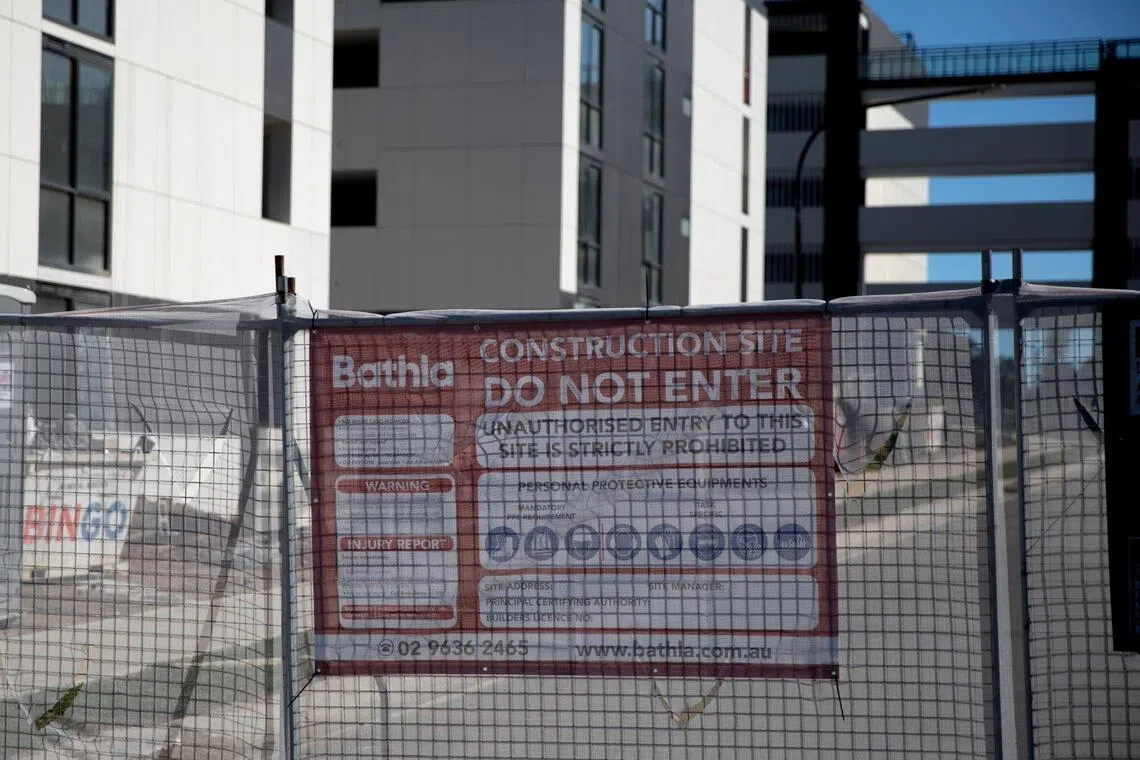
The collapse of Bathla, a prominent Australian residential developer, has cast a spotlight on the precarious position of property buyers caught between corporate mismanagement and adverse market conditions. The developer's failure demonstrates how quickly buyer protections can erode when a company's operational missteps align with broader economic headwinds, leaving purchasers exposed to significant financial losses.
For homebuyers invested in Bathla projects, the consequences are substantial. Many have faced delayed completions, frozen funds, and uncertainty over whether they will recover their deposits or complete their purchases. The situation underscores the risks inherent in purchasing off-the-plan properties, particularly when developers lack sufficient financial buffers to weather market corrections.
Regulatory bodies and industry observers have pointed to the collapse as evidence that existing buyer protection frameworks may be insufficient. While Australia has deposit-holding schemes in place, their effectiveness depends on developer solvency and timely enforcement. The Bathla case reveals gaps that may leave buyers with limited recourse when major developers fail.
Market analysts note that the developer's downfall reflects a broader cooling in Australia's residential property sector, where sustained price appreciation has given way to correction pressures. Companies with high leverage and thin margins face acute stress in such environments. The incident serves as a cautionary reminder for prospective buyers to carefully assess developer financial stability and project viability before committing capital.