World · World News Bureau
Australian outback courses adapt golf to arid landscape without grass
Golf courses in Australia's remote interior have reimagined the traditional sport by eliminating grass entirely, creating unique playing surfaces suited to harsh desert conditions. The innovation allows golfers to enjoy the game in regions where maintaining conventional turf would be environmentally and economically unfeasible.
LSN World News ·
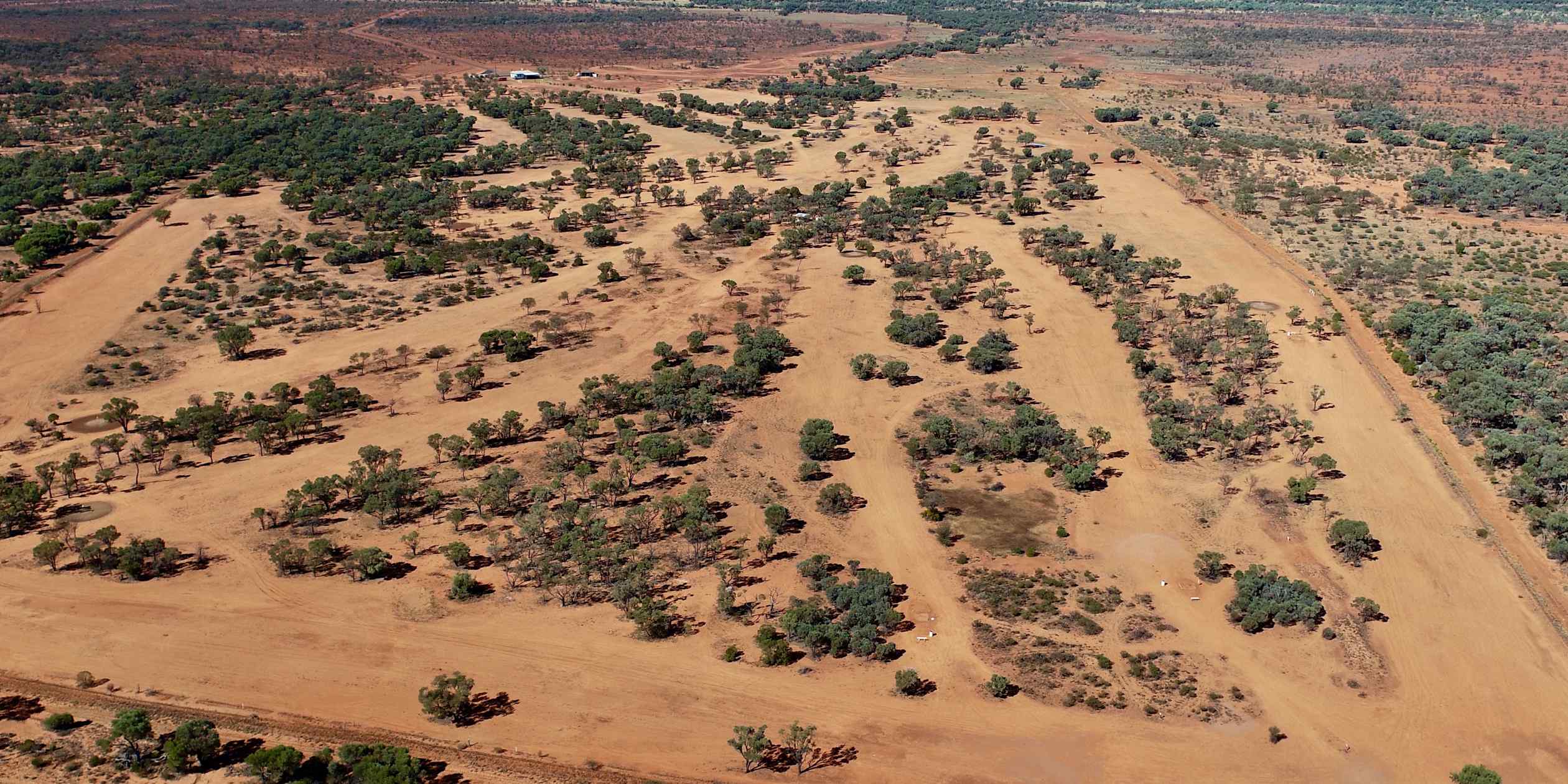
In the sparsely populated regions of inland Australia, golf enthusiasts have developed an unconventional approach to the sport that abandons grass fairways and greens in favor of sand-based playing surfaces. These desert courses take advantage of the natural terrain and climate of the outback, where water scarcity and extreme temperatures make traditional lawn maintenance impractical.
The sand golf courses feature compacted earth and sand that creates firm playing surfaces comparable to links-style courses found in coastal regions. Golfers navigate tee boxes, fairways, and greens composed of carefully prepared sand, while the surrounding landscape remains largely undisturbed by the demands of intensive irrigation and landscaping.
These facilities serve both as recreational venues for local communities and tourist attractions that showcase Australia's creative adaptation to environmental constraints. The courses reduce water consumption dramatically compared to conventional golf facilities, addressing sustainability concerns in regions where freshwater resources are limited and precious.
The sand golf model demonstrates how traditional sports can be modified to suit unique geographical and climatic conditions, allowing communities in remote areas to maintain leisure activities without compromising environmental stewardship. As water availability becomes an increasingly pressing issue in arid regions globally, such innovations offer practical solutions for maintaining recreational infrastructure in challenging environments.