World · India Bureau
Australian researchers cut wheat seed losses to mice by 63% using oil spray
Scientists have demonstrated a non-toxic method to protect wheat seeds from rodent damage by spraying diluted wheat germ oil across farmland. The technique masks the scent mice use to locate seeds underground, significantly reducing crop losses.
LSN India ·
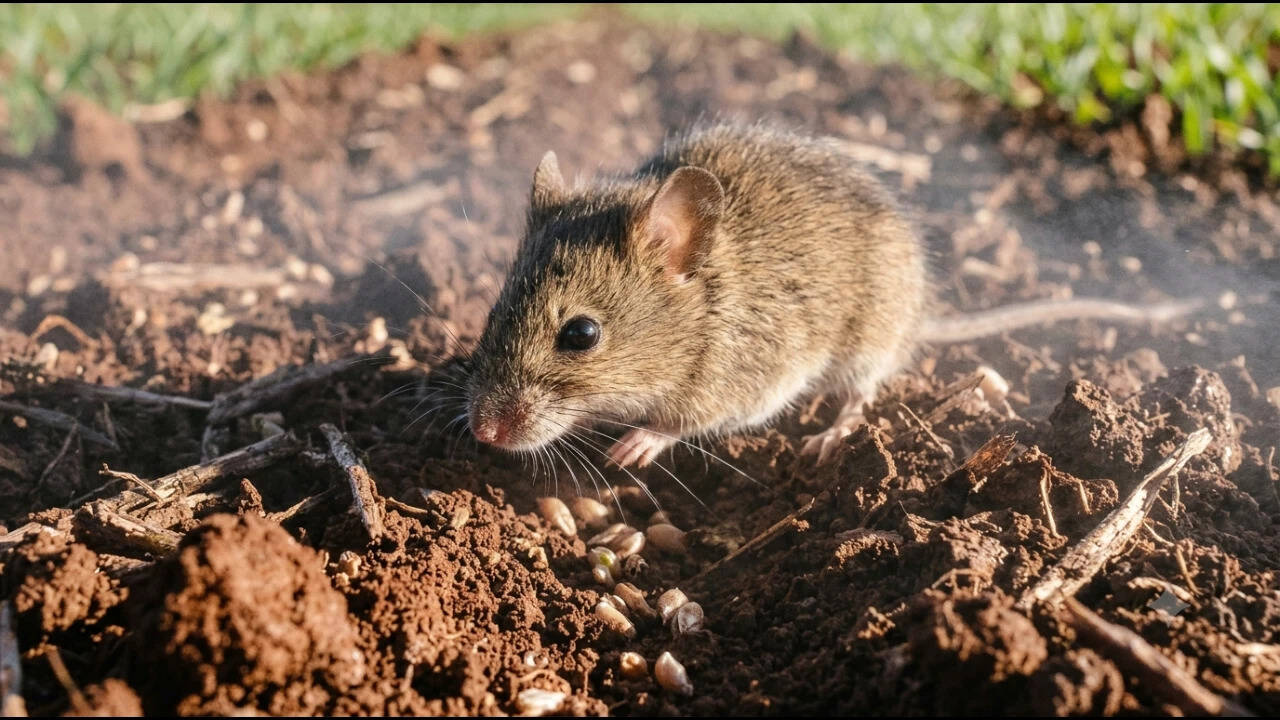
Australian researchers have successfully tested a simple yet effective approach to combat wheat seed losses caused by mice, achieving a 63 per cent reduction in damage during and after sowing operations. The method involves spraying diluted wheat germ oil across farm plots, which obscures the smell that mice rely upon to locate seeds buried in soil.
Field trials conducted in New South Wales in 2021 demonstrated the treatment's effectiveness, with seed loss dropping by up to 74 per cent when plots were treated before planting commenced. The non-toxic solution offers farmers a practical alternative to conventional pest management practices, without introducing chemical pesticides or synthetic compounds into the agricultural ecosystem.
The approach works by interfering with mice's olfactory capabilities, preventing them from detecting and excavating seeds during critical growth phases. This natural intervention method aligns with sustainable farming practices increasingly sought by agricultural producers across the region dealing with rodent-related crop damage.
Mice infestations have long posed a significant challenge to wheat farmers, particularly during planting and early growth stages. The development of this low-cost, non-chemical protective measure could provide Indian and regional grain producers with a valuable tool in their integrated pest management strategies, particularly in areas experiencing recurrent rodent pressures.