Business · Malaysia Bureau
Automation dilemma: Workers retrain but fixed costs remain
As artificial intelligence reshapes the employment landscape across Asia, displaced workers face an uncomfortable reality: while reskilling offers a path forward, financial obligations like mortgages and loans do not pause for economic transitions.
LSN Malaysia ·
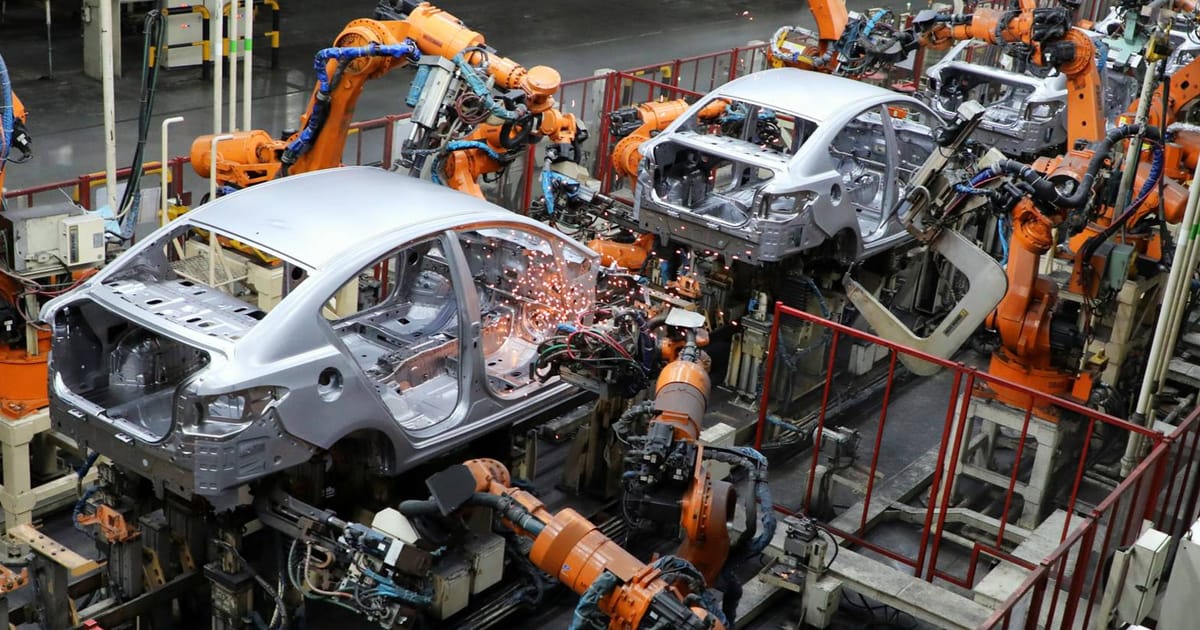
The rapid adoption of AI and automation technologies has created unprecedented disruption in labour markets throughout South and Southeast Asia. Workers whose roles have been eliminated by machines and algorithms are increasingly turning to retraining programmes and skill development initiatives to remain competitive. Yet this adaptation strategy, while essential, addresses only part of the challenge facing those who have lost their livelihoods.
Unlike skills that can be updated and refreshed, the financial commitments that many workers carry—mortgages, car loans, and other fixed obligations—continue regardless of employment status. A homeowner whose job is displaced by automation still faces monthly mortgage payments. A retrenched worker with family dependents must cover rent and living expenses while pursuing new qualifications. This disconnect between the pace of economic change and the immutable nature of financial responsibility has created acute hardship for many households.
Economists and labour analysts note that the transition from traditional employment to AI-influenced job markets requires not only individual initiative but also structural support systems. Countries across the region are grappling with how to provide adequate safety nets, transition assistance, and affordable retraining programmes that acknowledge the reality of existing financial obligations. Without such support, the burden of adapting to technological change falls disproportionately on individual workers and families already facing financial strain.
As automation continues to reshape sectors from manufacturing to services, policymakers are increasingly recognising that upskilling alone cannot solve the challenge. Comprehensive approaches addressing income replacement, debt restructuring, and social protection during workforce transitions may prove as important as training programmes themselves. The question of how societies support workers through this transformation remains urgent and unresolved.